
Now Reading: Elon Musk Found Liable for Misleading Twitter Shareholders in $44 Billion Acquisition Case
-
01
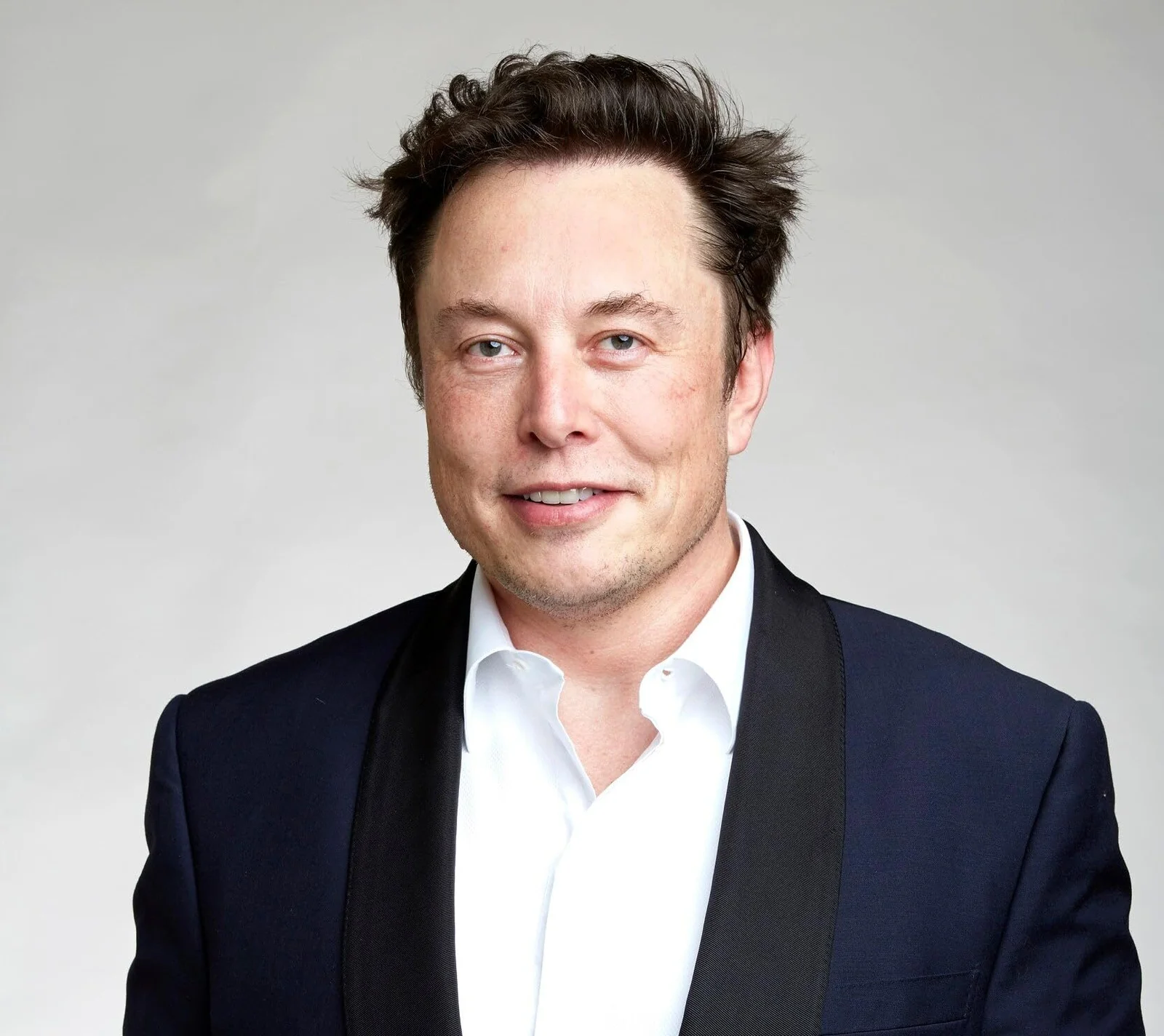
Elon Musk Found Liable for Misleading Twitter Shareholders in $44 Billion Acquisition Case
Elon Musk Found Liable for Misleading Twitter Shareholders in $44 Billion Acquisition Case

A California jury has found tech billionaire Elon Musk liable for misleading Twitter shareholders during his high-profile $44 billion acquisition of the social media platform in 2022.
The verdict came in the class-action case Pampena v. Musk, where shareholders alleged that Musk’s public statements caused financial harm and market instability.
Controversial Tweet at the Center of the Case
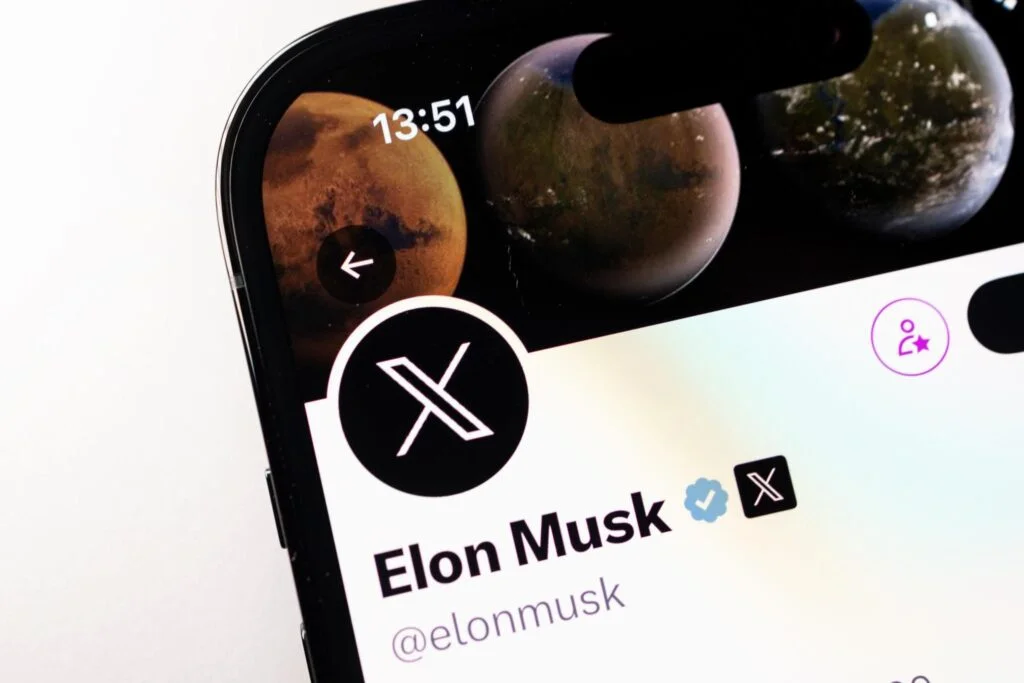
The case primarily focused on Musk’s tweet stating that the Twitter acquisition deal was “temporarily on hold.” Following this announcement, Twitter’s share price dropped nearly 10% in a single trading session.
Plaintiffs argued that the tweet was misleading and negatively impacted investors, many of whom suffered financial losses. The jury agreed that the statement was harmful and misleading, potentially exposing Musk to damages of up to $2.6 billion.
No Fraud Scheme Found
Despite finding Musk liable for misleading statements, the jury unanimously concluded—after four days of deliberation that he did not engage in a deliberate scheme to defraud investors.
Musk had previously claimed that his hesitation regarding the deal was due to concerns over the number of bots, spam accounts, and fake users on the platform. However, shareholders argued that this was a strategic move to renegotiate the deal at a lower price.
Legal Reactions from Both Sides
Joseph Cotchett, the attorney representing former shareholders, emphasized the broader implications of the case. Speaking outside the San Francisco courthouse, he stated:
“This is a great example of what you cannot do to the average investor people with 401(k)s, pensions, teachers, firefighters, and nurses. This case was about protecting them.”
Meanwhile, Musk’s legal team responded with confidence. A statement from Quinn Emanuel noted:
“We view today’s verdict, where the jury found both for and against the plaintiffs and found no fraud scheme, as a bump in the road. We look forward to vindication on appeal.”
Background: The $44 Billion Twitter Acquisition
In October 2022, Elon Musk finalized the acquisition of Twitter at the originally proposed price of $54.20 per share, after months of uncertainty and legal disputes.
Following the acquisition, Musk rebranded the platform as X, marking a significant shift in the company’s direction and vision.
To finance the deal, Musk sold approximately $4 billion worth of Tesla stock, highlighting the scale and financial impact of the transaction.
Conclusion
The verdict represents a significant moment in corporate accountability and investor protection. While Musk avoided allegations of fraud, the ruling underscores the legal risks associated with public statements made by influential business leaders.
As the case potentially moves toward appeal, its outcome could have lasting implications for corporate communication, investor trust, and market transparency.

Previous Post
Next Post
Previous Post
Next Post