
Now Reading: China’s Trade Surplus Surges Beyond $1 Trillion: What’s Driving the Record Growth?
-
01
China’s Trade Surplus Surges Beyond $1 Trillion: What’s Driving the Record Growth?
China’s Trade Surplus Surges Beyond $1 Trillion: What’s Driving the Record Growth?

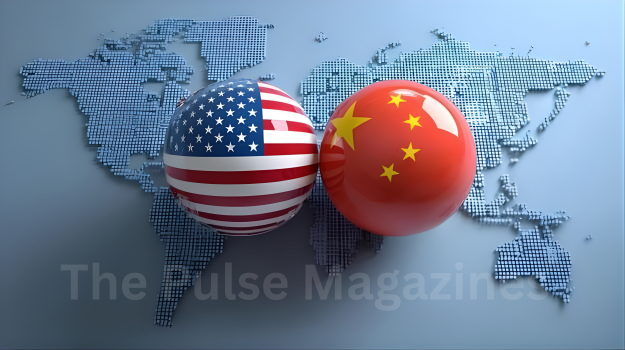
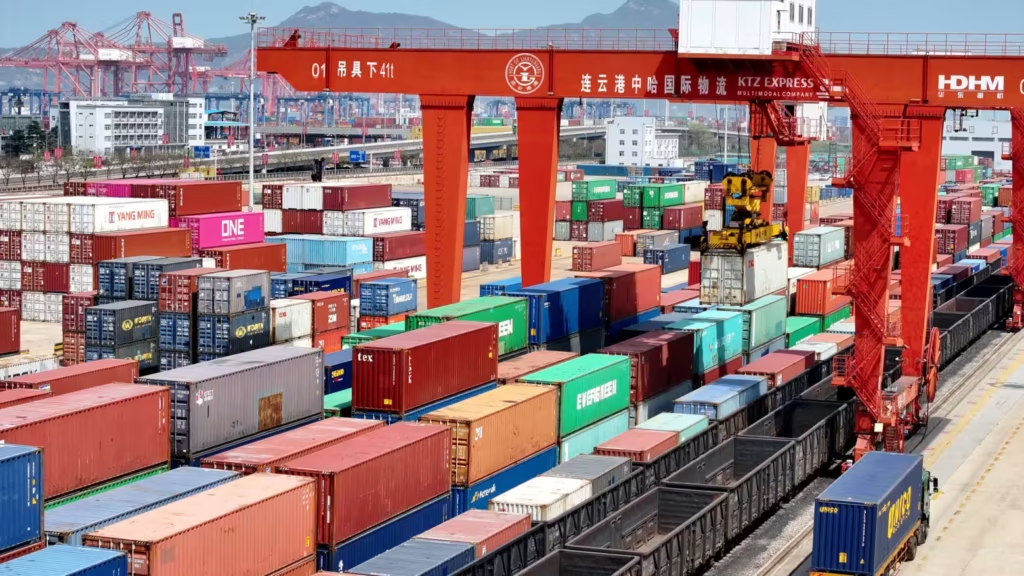
China has shattered global trade records once again, surpassing a $1 trillion trade surplus in just 11 months a milestone that previously took a full year to achieve. Despite ongoing tariffs from the United States under President Donald Trump, China’s export engine continues to accelerate, reshaping global manufacturing and trade patterns.
Massive Growth Despite U.S. Tariffs
U.S. tariffs have pushed Chinese exports to America down nearly 20%, yet China has responded strategically by reducing U.S. imports at nearly the same pace. China still sells three times more to the United States than it buys, maintaining a sizeable trade advantage.
In November alone, China recorded a $111.68 billion monthly surplus, its third-largest ever. Overall, the country’s surplus for the first 11 months is 21.7% higher than the same period last year, signaling unstoppable export momentum.
China Expands Its Global Export Footprint
As Chinese goods become increasingly competitive, exports are flooding into Southeast Asia, Europe, Africa, and Latin America. Affordable Chinese cars, solar panels, and consumer electronics are outpricing manufacturers in Germany, Japan, South Korea, and several developing nations. Many factories in countries like Indonesia and South Africa have been forced to cut production or shut down entirely.
To bypass Trump-era tariffs, Chinese companies have shifted final assembly lines to regions like Southeast Asia, Mexico, and Africa, allowing them to export to the U.S. under different tariff classifications.
China–EU Trade Gap Widens
China now exports twice as much to the European Union as it imports, widening the trade imbalance significantly. Two major factors are fueling this shift:
- A weak renminbi, especially against the euro
- Deflationary trends in China compared with rising prices in the U.S. and Europe
This currency advantage makes Chinese products dramatically cheaper in global markets.
Global Economies Struggle to Compete
With the renminbi possibly undervalued by up to 30%, European manufacturers face enormous pressure. Jens Eskelund, president of the European Union Chamber of Commerce in China, warns that even with regulatory reforms and reduced energy costs, competing with China will remain “exceedingly difficult.”
China’s trade surplus as a share of GDP now exceeds even the levels the United States enjoyed during post-World War II reconstruction—when most other industrial nations were devastated.
IMF Scrutiny and Calls for a Stronger Yuan
The International Monetary Fund (IMF) is reviewing China’s currency policies during its annual visit. Economists worldwide, including former officials in China’s central bank, are urging Beijing to allow the renminbi to strengthen.
A stronger currency would make imports like fuel, French wines, or Japanese cosmetics cheaper for Chinese households—boosting domestic spending, one of Beijing’s top economic priorities.
However, a stronger yuan could hurt China’s exporters, as foreign earnings would convert into fewer renminbi, affecting wages and production costs.
China’s Export Power Fuels Global Influence
China’s growing export surplus has also enabled it to support authoritarian allies, including Russia, Iran, and North Korea, and to invest heavily in high-tech innovation.
Despite calls for balanced trade, China continues to resist protectionism. President Xi Jinping recently emphasized that global industrial restructuring cannot be solved by trade barriers.
Still, Chinese economists acknowledge that to strengthen domestic demand, China may eventually need to accept a smaller trade surplus or even a deficit.
Previous Post
Next Post

























Pingback: Kim Jong Un Inspects Nuclear Submarine, Oversees Missile Test as Tensions Rise