Trump Approves Nvidia H200 Chip Exports to China Under New 25% Revenue Deal
Trump Greenlights Nvidia H200 Chip Exports to China Amid Strategic Shift in AI Trade Policy In a major policy reversal that could reshape the global AI technology race, President Donald Trump has approved the export of Nvidia’s H200 AI chips to China, reversing previous restrictions that had tightened over the past two years. The decision
Trump Approves Nvidia H200 Chip Exports to China Under New 25% Revenue Deal
Trump Greenlights Nvidia H200 Chip Exports to China Amid Strategic Shift in AI Trade Policy
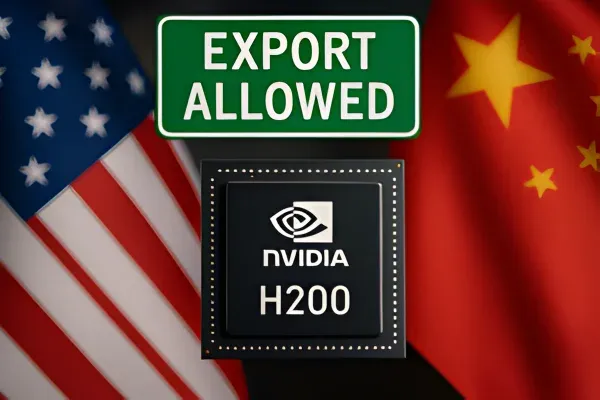
In a major policy reversal that could reshape the global AI technology race, President Donald Trump has approved the export of Nvidia’s H200 AI chips to China, reversing previous restrictions that had tightened over the past two years. The decision marks a recalibration in the ongoing U.S.–China technology standoff and aims to strengthen America’s semiconductor competitiveness while maintaining national security safeguards.
The Nvidia H200, the company’s second most powerful AI accelerator, is essential for training and deploying advanced artificial intelligence systems. While Trump has allowed the H200 to be shipped to approved commercial customers in China, the export of Nvidia’s flagship Blackwell and next-generation Rubin chips remains off-limits.
Trump announced the move on social media, stating that he informed Chinese President Xi Jinping directly:
The United States will allow NVIDIA to ship its H200 products to approved customers in China and other countries, under conditions that allow for continued strong National Security. President Xi responded positively!
He also suggested that 25% of Nvidia’s revenue from these chip sales will be paid to the U.S. government, further expanding an earlier arrangement in which Nvidia and AMD agreed to a 15% revenue contribution for China-bound chip sales.
The decision comes shortly after Trump met Nvidia CEO Jensen Huang, reinforcing the administration’s stance that the United States must lead the global AI race—even as China rapidly expands its domestic semiconductor capabilities.
Nvidia, currently the world’s most valuable chipmaker, welcomed the move.
A company spokesperson said the policy “strikes a thoughtful balance” and will support high-paying American jobs, domestic manufacturing, and global competitiveness.
The Department of Commerce is also preparing similar export guidelines for AMD, Intel, and other U.S. chipmakers. AMD expressed support, noting the new policy boosts America’s competitiveness and drives investment in the semiconductor ecosystem.
Earlier this year, Trump announced a 10% government stake in Intel, signaling deeper federal involvement in the chip sector as geopolitical tensions reshape global supply chains.
This latest move underscores the administration’s strategy: secure national security, maintain U.S. leadership in AI, and allow American companies to compete globally—even in sensitive markets like China.
Related Stories

The Fire Is Never Gone, It Is Buried: Allisa Verhille on Reigniting High-Achievers Before Burnout Costs Them Everything
Allisa Verhille has delivered nine-figure results, stood on the stages of Oxford and Columbia, and built organizations from almost nothing to extraordinary scale. But the story that matters most began at a bathroom sink, years into a career that looked perfect from the outside, the night she looked into the mirror and did not recognize the woman looking back.
Change of British High Commissioner to New Zealand
Ms Louise Cantillon has been appointed British High Commissioner to New Zealand and Governor of the Pitcairn, Henderson, Ducie and Oeno Islands.
Trump signs order to limit childhood vaccines and split MMR shots
The American Academy of Pediatrics calls the recommendation on measles, mumps and rubella shots "dangerous".