‘Universal’ Nasal-Spray Vaccine Shows Broad Protection in Mice Against Viruses, Bacteria and Allergens
A groundbreaking early-stage study suggests that a single nasal-spray vaccine could one day protect against multiple respiratory viruses, harmful bacteria, and even common allergens. In laboratory tests on mice, researchers found that an experimental vaccine triggered broad immune protection raising hopes for what scientists describe as a potential “universal” respiratory vaccine. However, experts caution that
‘Universal’ Nasal-Spray Vaccine Shows Broad Protection in Mice Against Viruses, Bacteria and Allergens
A groundbreaking early-stage study suggests that a single nasal-spray vaccine could one day protect against multiple respiratory viruses, harmful bacteria, and even common allergens.
In laboratory tests on mice, researchers found that an experimental vaccine triggered broad immune protection raising hopes for what scientists describe as a potential “universal” respiratory vaccine. However, experts caution that the findings are still preliminary and must undergo rigorous human trials before safety and effectiveness can be confirmed.
Most conventional vaccines train the body’s adaptive immune system to recognize a specific antigen — typically a protein found on the surface of a virus or bacterium. Once exposed, immune cells remember that antigen and mount a targeted defense during future infections.
While this approach can be highly effective, it has limitations. If the targeted antigen mutates — as seen with influenza and coronaviruses vaccine effectiveness can decline.
Some scientists attempt to overcome this by targeting “highly conserved” viral regions that change very little between strains. However, the team behind this new nasal spray took a different path.
Rather than focusing only on adaptive immunity, they designed a vaccine that also stimulates the body’s innate immune system the fast-acting, broad-spectrum defense that responds to a wide variety of pathogens.
How the Vaccine Works
The experimental vaccine, called GLA-3M-052-LS+OVA, is delivered through a nasal spray. It works by mimicking immune signals previously observed in studies of the tuberculosis vaccine, Bacillus Calmette-Guérin vaccine (BCG), which is known to activate both innate and adaptive immunity.
The nasal vaccine includes:
- Immune-stimulating compounds that keep innate immune cells active in the lungs for months
- A harmless egg-protein antigen to help recruit key immune cells
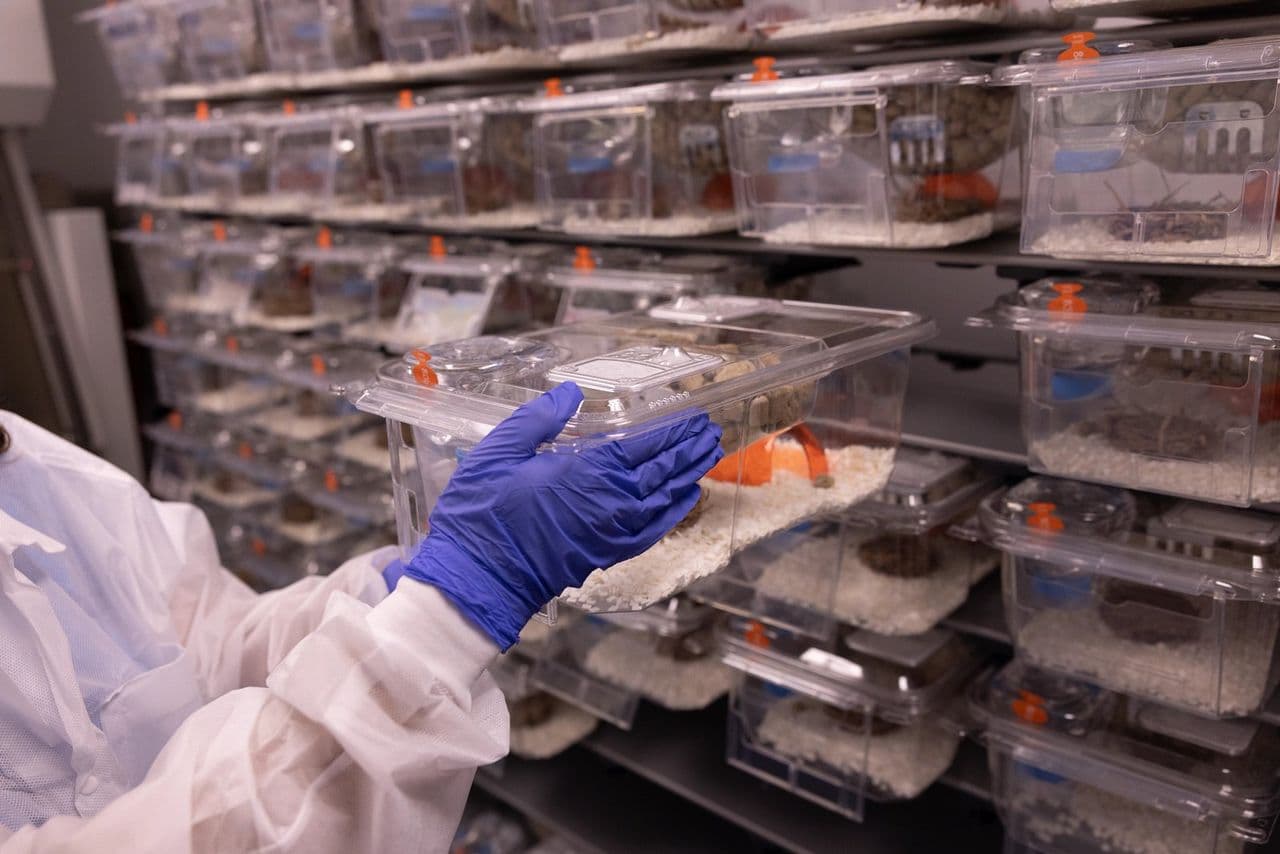
Mice received three doses over three weeks. Researchers then exposed them to a range of threats, including:
- SARS-CoV-2 and other coronaviruses
- The bacteria Staphylococcus aureus
- The bacteria Acinetobacter baumannii
- A common house dust mite allergen
The vaccinated mice showed strong protection lasting at least three months.
What the Results Showed
Compared to unvaccinated mice, those given the nasal vaccine experienced:
- Reduced lung inflammation
- Less weight loss
- Lower risk of death from infections
- Milder allergic reactions
- Reduced mucus buildup
The vaccine appeared to “prime” the innate immune system, allowing for a rapid and broad response to different types of respiratory threats. At the same time, it triggered a quick adaptive immune response when needed.
Senior study author Bali Pulendran, a professor of microbiology and immunology at Stanford University School of Medicine, highlighted the importance of innate immunity:
What’s remarkable about the innate system is that it can protect against a broad range of different microbes.
Why This Research Matters
The findings suggest a future where seasonal respiratory protection might not require multiple targeted vaccines.
Independent experts are cautiously optimistic. Daniela Ferreira, a professor of respiratory infection and vaccinology at the University of Oxford, described the research as “really exciting,” noting that it could transform how we protect people from common respiratory infections if human trials confirm the results.
Potential benefits include:
- Broader protection against evolving viruses
- Improved readiness for emerging respiratory threats
- Reduced severity of allergic airway inflammation
- Simplified vaccination strategies
The Road Ahead
Despite the promising results, researchers emphasize that the vaccine has only been tested in animals. Human immune systems are more complex, and clinical trials are essential before any conclusions can be drawn.
Pulendran estimates that two doses might be sufficient for humans, but safety testing, dosage optimization, and long-term studies will be required.
If proven effective in people, the vaccine could represent a major shift in immunology moving beyond single-pathogen targeting toward broader immune system training.
A Potential Turning Point in Respiratory Protection
While still in its early stages, this research reflects a broader shift in vaccine science: activating both innate and adaptive immunity to achieve more comprehensive protection.
In a world increasingly challenged by evolving pathogens, antibiotic-resistant bacteria, and rising allergies, a universal nasal-spray vaccine if validated could redefine how respiratory diseases are prevented.
Related Stories

How Claire J. Gilchrist's Frequency Balance™ Method Is Redefining Mental Health and Self-Empowerment Coaching
In the silence of the 2020 lockdowns, when the world stopped and most careers were suspended, Claire J. Gilchrist went inward. In this exclusive Pulse Magazine feature, the Founder of The Self-Empowerment Hub reveals why she stopped treating mental health, communication, and leadership as separate problems — and the trademarked framework she built instead. She shares the 48 subconscious behavioural patterns behind Frequency Balance™, why she refuses to "fix" her clients on principle, and the ethical distinction that shapes everything she does.

Anti-Amyloid Alzheimer’s Drugs Face New Doubts: Cochrane Review Finds ‘Trivial’ Effects
A bombshell Cochrane review questions the effectiveness of anti-amyloid Alzheimer’s drugs like Leqembi and Kisunla, calling their benefits “absent or trivial” despite FDA approvals. Cochrane Analysis: Little to No Clinical Benefit The nonprofit Cochrane compiled data from 17 placebo-controlled studies on seven amyloid-beta-targeting monoclonal antibodies, involving over 20,000 people with mild cognitive impairment or mild Alzheimer’s dementia.

10 Heart-Healthy Ingredient Substitutions to Lower Cholesterol and Protect Your Heart
10 Heart-Healthy Ingredient Substitutions for Better Cardiovascular Health Eating heart-healthy foods is one of the most effective ways to protect your cardiovascular system, lower disease risk, and support long-term wellness. The right nutrition can help regulate cholesterol, reduce high blood pressure, maintain healthy weight, and even aid recovery after a heart attack. Whether you’re preventing