Leading with Impact: The Philosophy Behind Effective Leadership
Introduction: The Essence of Effective Leadership Leadership, a pivotal aspect of organizational dynamics, extends beyond mere authority; it encompasses the ability to inspire, guide, and influence others towards a common objective. Effective leadership is not confined to a specific role or title; rather, it is characterized by a set of values, behaviors, and strategies that
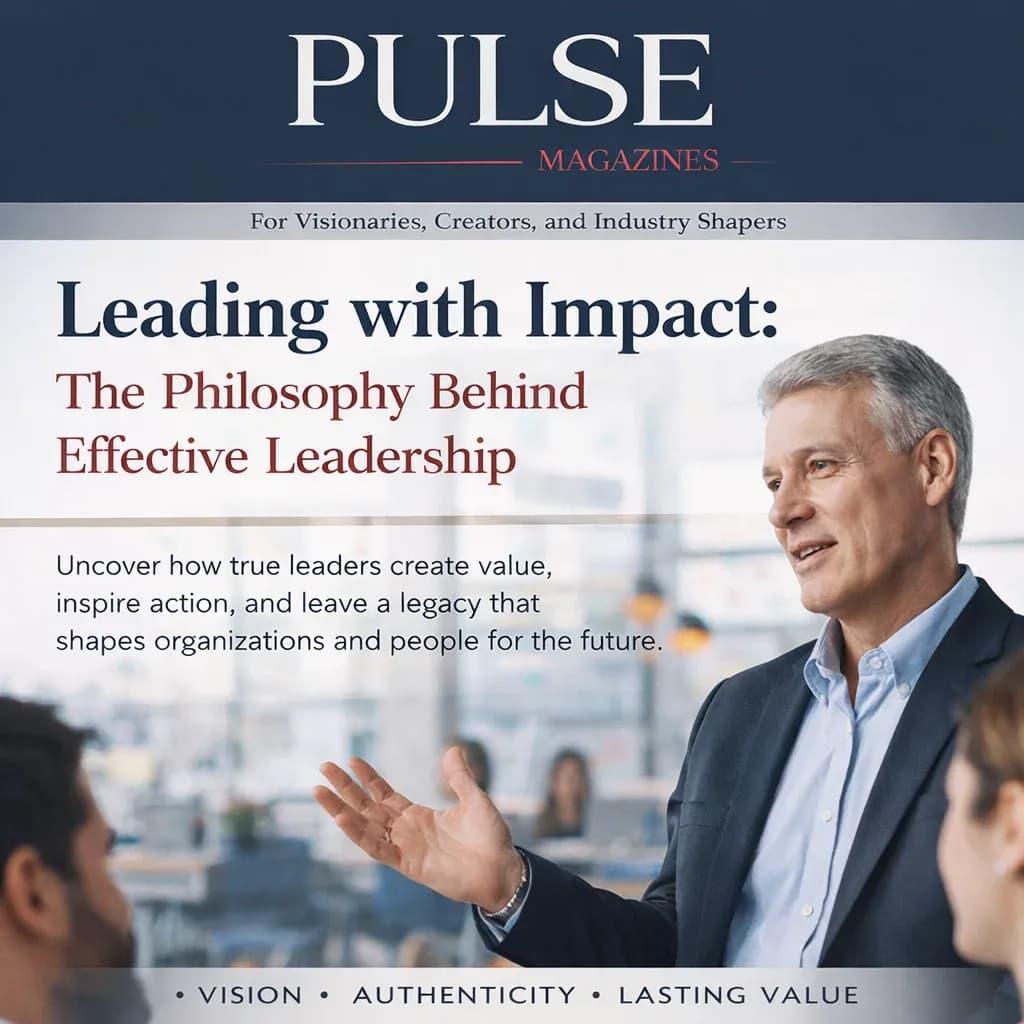
Leading with Impact: The Philosophy Behind Effective Leadership
Introduction: The Essence of Effective Leadership
Leadership, a pivotal aspect of organizational dynamics, extends beyond mere authority; it encompasses the ability to inspire, guide, and influence others towards a common objective. Effective leadership is not confined to a specific role or title; rather, it is characterized by a set of values, behaviors, and strategies that foster an environment conducive to collective success. In this complex landscape, the significance of a personal leadership philosophy becomes increasingly apparent. Such a philosophy serves as a compass for leaders, helping them navigate challenges, particularly in high-pressure situations.
A personal leadership philosophy reflects one’s core beliefs and principles regarding leadership. This foundational understanding shapes how leaders approach decision-making, manage relationships, and create a sustainable impact within their organizations. When leaders adopt a clear and coherent philosophy, they are better equipped to respond to demands while remaining true to their values. This alignment between philosophy and action is crucial for building trust and credence with team members, thereby enhancing overall effectiveness.
Moreover, the process of identity formation plays a key role in the development of effective leaders. As leaders continuously interact with their teams and the wider environment, they evolve, adapting their styles and approaches as necessary. This dynamic evolution of personal and professional identity not only allows leaders to remain relevant but also empowers them to address diverse challenges with confidence.
Ultimately, the journey toward impactful leadership is one of growth, introspection, and commitment. By embracing the importance of a personal leadership philosophy, leaders can lay the groundwork for informed decision-making under pressure while ensuring a sustainable and positive influence on their organizations. The subsequent sections will delve deeper into these critical aspects, offering insights into the multifaceted nature of effective leadership.
Struggles That Shape a Leader’s Journey
The path to effective leadership is often fraught with various challenges, particularly in the early stages of a leader’s journey. One of the most prevalent struggles is self-doubt. Many aspiring leaders grapple with insecurities about their capabilities, questioning whether they possess the necessary skills to guide their teams. This internal conflict can stem from a lack of experience or unfamiliarity with leadership roles, leading to feelings of inadequacy that can hinder decision-making and confidence.
Another significant challenge is the lack of experience. In many cases, leaders find themselves in positions where they are responsible for driving outcomes without having previously encountered similar situations. This gap in experience can result in hesitation and a feeling of being unprepared. However, it also presents an opportunity for growth, as these leaders learn to adapt, seek guidance, and ultimately cultivate their style and philosophy of leadership through practice over time.
External criticism is yet another hurdle that emerging leaders frequently face. Constructive feedback can be beneficial, but harsh criticism can be discouraging, leading to a defensive mindset. Overcoming this obstacle requires resilience and the ability to distinguish between damaging negativity and useful suggestions that can contribute to personal and professional development. Navigating through these dilemmas, leaders often discover their strengths and weaknesses, which serve as the foundation for their character and leadership philosophy.
In essence, these common struggles self-doubt, lack of experience, and external criticism are pivotal in shaping a leader’s identity. By confronting and overcoming these challenges, leaders not only enhance their skills but also develop a deeper understanding of effective leadership, enabling them to lead with impact and authenticity.
A Defining Turning Point: The Moment of Growth
Leadership is often characterized by pivotal moments that serve as catalysts for personal development and purpose. These turning points, whether they stem from success, failure, or challenging circumstances, are instrumental in shaping a leader’s philosophy and approach. A powerful example can be drawn from the story of Howard Schultz, the former CEO of Starbucks. Schultz grew up in a housing complex in Brooklyn, where he witnessed the struggles of working-class families. His early life experiences instilled in him a deep sense of empathy and the drive to create a workplace that prioritized people over profits.
This moment of realization transformed Schultz’s leadership style. He recognized the importance of fostering a positive workplace culture, which subsequently became a cornerstone of Starbucks’ brand identity. Such defining moments not only crystallize a leader’s values but also fortify their resolve to overcome obstacles. When faced with adversity, Schultz made the audacious decision to continue investing in employee benefits during the 2008 financial crisis, a choice that ultimately solidified his commitment to his team and enhanced the company’s resilience.
Another notable story is that of Satya Nadella, the current CEO of Microsoft. Nadella’s turning point came when he embraced a growth mindset during the company’s transition. This mindset shift led him to prioritize collaboration and innovation, fundamentally altering Microsoft’s corporate culture. Nadella’s journey emphasizes how critical moments can strengthen a leader’s vision and influence their strategic decisions. By cultivating an environment that fosters continuous learning and development, he inspired a new era of leadership within the tech giant.
These stories illustrate that moments of growth are not merely personal milestones but essential experiences that inform a leader’s approach to guiding others. Through challenges and triumphs, leaders like Schultz and Nadella demonstrate how pivotal experiences can embolden a leader’s values and inspire their unique style of leadership, ultimately impacting their organization’s trajectory.
Crafting a Leadership Framework: Principles to Guide Action
Developing an effective leadership framework is vital for guiding leaders in navigating complex and high-pressure situations. This framework should encompass a synergy of personal values, ethical standards, and strategic thinking, shaping a leader’s approach and decision-making processes. In the realm of leadership, personal values serve as the foundation; they reflect an individual’s core beliefs and ethical perspectives. These values influence how leaders interact with their teams, make decisions, and navigate challenges. As such, they contribute significantly to establishing trust and credibility within the organization.
Ethical standards further complement personal values by providing a clear set of guidelines for behavior and decision-making. Leaders must adhere to ethical principles that align with their organization’s values and mission. In doing so, they not only enhance their personal integrity but also promote a culture of accountability within their teams. In a high-pressure environment, ethical considerations become even more crucial, as leaders must face dilemmas that test their commitment to these standards. Understanding the importance of ethical leadership reassures team members and cultivates a respectful work environment.
Strategic thinking is the final component of a robust leadership framework, enabling leaders to anticipate challenges, seize opportunities, and navigate the complexities of their roles effectively. A strategic leader analyzes situations comprehensively, weighing risks and potential outcomes before making informed decisions. This process is essential, particularly in high-pressure scenarios where timely and effective decision-making can significantly impact organizational success. By combining personal values, ethical standards, and strategic thinking, leaders can create a cohesive approach that not only drives performance but also fosters a resilient and principled leadership culture.
The Art of Decision-Making Under Pressure
Effective leadership often hinges on the ability to make sound decisions in high-pressure situations. During crises, leaders face an array of challenges that demand not just speed, but also clarity and confidence. To navigate these turbulent waters, several strategies and frameworks can be employed by leaders aiming to enhance their decision-making capabilities.
One practical approach is employing the OODA loop, which stands for Observe, Orient, Decide, and Act. Originally conceptualized for military strategy, this framework advocates for a rapid cycle of observing the situation, orienting oneself to it by gathering information, making a decision based on the analysis, and acting decisively. This cyclical method helps leaders adapt quickly to changing scenarios and improves their situational awareness, allowing them to make informed choices amidst uncertainty.
Additionally, leaders can benefit from utilizing the DECIDE model, which comprises Define the problem, Estimate the resources, Consider the alternatives, Identify the best options, Develop a plan of action, and Evaluate the outcome. This structured method allows leaders to break down complex decisions into manageable steps, fostering a clearer thought process even under stress. By systematically analyzing each phase, leaders can confidently navigate through the fog of crisis.
Moreover, fostering a culture of open communication empowers teams to contribute their insights and perspectives, enhancing the collective decision-making process. Allowing team members to voice their opinions creates an environment of trust, making it easier to derive consensus and supports leaders in feeling more assured during challenging moments.
In conclusion, mastering the art of decision-making under pressure involves a blend of strategic frameworks and team dynamics. By applying these methods, leaders can enhance their effectiveness, ensuring impactful outcomes even in the most demanding circumstances.
Identity Formation: The Role of Personal Values in Leadership
Effective leadership hinges significantly on the leader’s understanding of their own identity and the values that shape it. Personal values are fundamental principles that guide an individual’s behavior, decisions, and interactions. For leaders, these values not only inform personal identity but also play a crucial role in establishing connections with team members and stakeholders. A leader who is aware of their core values tends to instill confidence and trust, both vital for creating a productive environment.
The process of identity formation in leadership is intertwined with self-awareness and authenticity. Leaders who engage in reflective practices often find that their personal values illuminate their leadership style and approach. This self-awareness translates into a leadership model that resonates with team members who share or respect similar values. In this way, personal values serve as a compass guiding decisions and actions, fostering a sense of purpose within the team.
Furthermore, a strong alignment between personal values and organizational objectives significantly enhances leadership effectiveness. Leaders who actively integrate their values into their leadership practices tend to inspire greater commitment from their employees. When team members perceive authenticity in their leaders, they are more likely to engage wholeheartedly with their work and align their efforts with organizational goals. The connection between personal values and professional leadership is, therefore, not only theoretical but practical, showcasing that identity formation goes beyond mere introspection to influence real-world outcomes.
Ultimately, leaders must invest time and effort in understanding their identity as it pertains to their values. This understanding allows them to lead with a consistent and authentic voice, which is essential for driving positive impact within their organizations.
Creating a Long-Term Vision for Sustainable Impact
In the realm of effective leadership, the development of a long-term vision is paramount. A clear, well-structured vision not only inspires teams but also lays the groundwork for policies and practices that promote sustainable impact. Such a vision serves as a guiding star, directing the collective efforts of an organization toward a common objective and ensuring that every initiative aligns with overarching goals. By prioritizing long-term outcomes over short-term gains, leaders can foster an environment conducive to growth, innovation, and resilience.
A long-term vision integrates various aspects of an organization’s strategy, encouraging collaboration among diverse teams. When individuals understand the broader objectives, they are more likely to contribute meaningfully to these goals. This alignment not only enhances motivation but also encourages accountability across all levels of the organization. Leaders who communicate their vision clearly and consistently can instill a shared sense of purpose, empowering individuals to take ownership of their responsibilities in contributing to sustainable practices.
Moreover, the implications of a long-term vision extend beyond the internal operations of an organization. It impacts external relationships with stakeholders, customers, and the community at large. By demonstrating a commitment to sustainable development, leaders can cultivate trust and credibility, positioning their organization as a responsible entity in its sector. This is increasingly important in today’s world, where consumers and partners are inclined to support organizations that prioritize ethical standards and long-term progress over transient benefits.
Ultimately, leaders who create and champion a long-term vision are not just steering their organizations towards success; they are also making concerted efforts towards contributing positively to society and the environment. In doing so, they become true architects of sustainable impact, leading their teams with intention and purpose to achieve meaningful outcomes.
Real-World Impact: Case Studies of Effective Leaders
Effective leadership is exemplified by individuals who have made significant contributions to their organizations and communities. One such leader is Satya Nadella, the current CEO of Microsoft. Under his leadership, Microsoft has transformed into a more collaborative and inclusive company. Nadella emphasizes a growth mindset, which encourages employees to learn continuously and innovate. His efforts have not only revitalized Microsoft’s product offerings but also improved employee morale and engagement, resulting in a robust market performance and a strong organizational culture.
Another notable example is Jacinda Ardern, the former Prime Minister of New Zealand. Ardern’s leadership during crises, particularly the Christchurch shooting and the COVID-19 pandemic, demonstrated a compassionate yet decisive approach. She actively listened to her constituents and communicated with transparency, garnering public trust and ensuring clarity during difficult times. Ardern’s focus on empathy and collaboration has not only shaped New Zealand’s policies but also inspired global conversations about effective governance and crisis management.
Furthermore, Paul Polman, the former CEO of Unilever, stands out for his commitment to sustainable business practices. Polman challenged the traditional notion of corporate success, advocating for the integration of sustainability into the core of Unilever’s operations. His vision extended beyond profit-making; it emphasized the importance of social responsibility and environmental stewardship, leading to substantial changes within the company and influencing the broader industry. Under his leadership, Unilever achieved significant business growth while positively impacting society.
These case studies illustrate how effective leaders harness philosophical principles, strategic decision-making, and a clear vision to drive real-world impact. Their ability to inspire, guide, and implement change underscores the crucial role of impactful leadership in today’s complex organizational landscape.
Conclusion: Reflections on Leadership Philosophy
As we delve into the complexities of leadership, it becomes increasingly clear that effective leadership is not a static concept but rather a continuous journey that evolves with time and experience. Throughout this journey, leaders are called to reflect on their philosophies and the impact these philosophies have on their teams, organizations, and communities. The essence of leadership lies in understanding and embracing these changes, adapting strategies to meet the diverse needs of those we lead.
Leaders must continuously question their approaches, seeking to enhance their effectiveness and maximize their influence. This reflective practice allows leaders to identify their core values and align their actions with their vision. Moreover, by scrutinizing their leadership styles and outcomes, leaders can cultivate a positive impact that inspires growth and fosters collaboration. It is essential to recognize that leadership does not happen in isolation; it is a relational process that compels leaders to engage authentically with their followers.
In contemplating one’s own leadership philosophy, individuals should consider the legacy they wish to create. What impact do they desire to have? How will their leadership not only influence current trends but also inspire future generations? By thinking deeply about these questions, leaders can chart a course that is not merely reactive but proactive, instilling a sense of purpose and direction within their spheres of influence.
Ultimately, the journey of leadership is marked by a commitment to continuous learning and self-improvement. Embracing a philosophy that prioritizes reflection, resilience, and responsiveness can lead to more effective leadership practices, fostering a culture of innovation and adaptability. Encourage yourself to embark on this introspective journey, acknowledging that every leader has the potential to make a profound difference in their environment.
Related Stories

The Fire Is Never Gone, It Is Buried: Allisa Verhille on Reigniting High-Achievers Before Burnout Costs Them Everything
Allisa Verhille has delivered nine-figure results, stood on the stages of Oxford and Columbia, and built organizations from almost nothing to extraordinary scale. But the story that matters most began at a bathroom sink, years into a career that looked perfect from the outside, the night she looked into the mirror and did not recognize the woman looking back.
Change of British High Commissioner to New Zealand
Ms Louise Cantillon has been appointed British High Commissioner to New Zealand and Governor of the Pitcairn, Henderson, Ducie and Oeno Islands.
Trump signs order to limit childhood vaccines and split MMR shots
The American Academy of Pediatrics calls the recommendation on measles, mumps and rubella shots "dangerous".