Meta’s Bold Move: Turning Employees into ‘AI Builders’ with New Pod Structure in Reality Labs
Meta is accelerating its AI transformation by rebranding employees as “AI builders” and restructuring teams into lean “pods.” This overhaul targets a 1,000-employee division within Meta Reality Labs, aiming to boost engineering productivity and product quality through a flatter, AI-native organization. A Shift to AI-Native Pods According to a leaked internal memo obtained by Business

Meta’s Bold Move: Turning Employees into ‘AI Builders’ with New Pod Structure in Reality Labs
Meta is accelerating its AI transformation by rebranding employees as “AI builders” and restructuring teams into lean “pods.” This overhaul targets a 1,000-employee division within Meta Reality Labs, aiming to boost engineering productivity and product quality through a flatter, AI-native organization.
A Shift to AI-Native Pods
According to a leaked internal memo obtained by Business Insider, the division building developer tools in Reality Labs is undergoing a major revamp. Announced last month as a pilot, the changes now apply to the entire unit.
Every employee will adopt one of three new titles:
- AI Builder: Core team members focused on specific outcomes, often crossing disciplines—like engineers handling design tasks.
- AI Pod Lead: Oversees daily operations for a small pod of AI builders.
- AI Org Lead: Manages performance reviews, promotions, and higher-level oversight, supported by AI systems.
Pods emphasize small, agile groups working toward shared goals, aligning with Meta CEO Mark Zuckerberg’s vision for a flatter org chart and “startup mode” teams.
Driving Productivity with AI
The memo outlines the goal clearly: “Our ultimate goal is to drive a step change in engineering productivity and product quality. To achieve this, we’re fundamentally rewiring how we operate, how we are structured, and how we support each other.”
Zuckerberg has echoed this push, stating earlier this year that 2026 marks the year AI will “dramatically change the way we work.” He envisions projects once needing large teams handled by just one “very talented” person powered by AI.
Some employees are already embracing the shift, updating their LinkedIn profiles to highlight their “AI builder” roles.
Unrelated to Recent Layoffs
Meta confirmed the team size stays the same under this structure. Notably, Wednesday’s layoffs affecting hundreds across Reality Labs and other teams are unrelated, per a company spokesperson.
This reorganization fits Meta’s broader aggressive adoption of AI and small-team models. As Zuckerberg pushes for efficiency, watch for ripple effects across the tech giant.
Related Stories

The Medical Industry Is Dying – And If It Continues, So Will We: Healthcare Crisis Exposed
Our health system needs first aid stat! The medical profession is in dire need of a shot in the arm. If Humpty Dumpty sat on a wall today and took a great fall, forget the king’s horses and men. Better slap on a Band-Aid and call it a day. Need a pill? Over the hill.
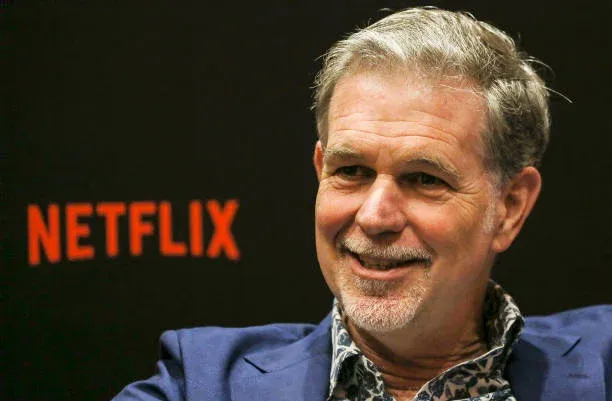
Reed Hastings Steps Down as Netflix Board Chair: What It Means for Investors in 2026
Reed Hastings, the legendary co-founder and longtime chair of Netflix, is stepping down from the board in June 2026. This news comes as Netflix reports strong Q1 earnings and moves on from its failed $72 billion Warner Bros Discovery acquisition. Netflix Confirms No Disagreements in Reed Hastings Departure In an SEC filing and shareholder letter

Elon Musk Found Liable for Misleading Twitter Shareholders in $44 Billion Acquisition Case
A California jury has found tech billionaire Elon Musk liable for misleading Twitter shareholders during his high-profile $44 billion acquisition of the social media platform in 2022. The verdict came in the class-action case Pampena v. Musk, where shareholders alleged that Musk’s public statements caused financial harm and market instability. Controversial Tweet at the Center