
May 2026 · Issue
Dr. Tiffany Nguyen-Ngo: Advancing Healthcare Excellence Through Strategic Leadership & Operational Innovation
Dr. Tiffany Nguyen-Ngo, Co-Owner & CEO of ARCpoint Labs of Oklahoma City, represents a new standard in healthcare leadership one that blends clinical credibility with operational excellence and genuine compassion. Featured in The Pulse Magazine Issue #028 (May 2026), her story highlights how people-first systems, pod-based workflows, and accountability-driven innovation can reduce burnout, strengthen quality, and expand equitable access to diagnostics. This is leadership built from the ground up and designed to make healthcare work better for patients and the teams who serve them.
Some leaders are easy to celebrate and even easier to forget. They speak in polished generalities: growth, scale, strategy, innovation. They credit “the team,” describe “exciting times,” and move on. But every year, as our editorial team reviews nominations across industries, we look for something rarer than visibility: authenticity of purpose.
That is what we recognized immediately in Dr. Tiffany Nguyen-Ngo, DHA, CPT, ACHE—Co-Owner and Chief Executive Officer of ARCpoint Labs of Oklahoma City. From her first answer, it was obvious this was not a leader performing leadership. This was a leader practicing it: grounded in frontline reality, operationally sophisticated, and consistently centered on people.
When she talked about burnout, she didn’t offer wellness slogans. She offered structural solutions: pod-based workflows, dedicated quality officers, rapid-response task forces, and the fundamental redesign of broken systems. When she talked about growth, she didn’t celebrate volume; she warned against the “Hero Trap”—the danger of scaling faster than your infrastructure can support. And when she talked about recognition, she didn’t center herself. She redirected credit to the frontline staff who, as she put it, “made the vision real when I wasn’t in the room.”
Other Issues
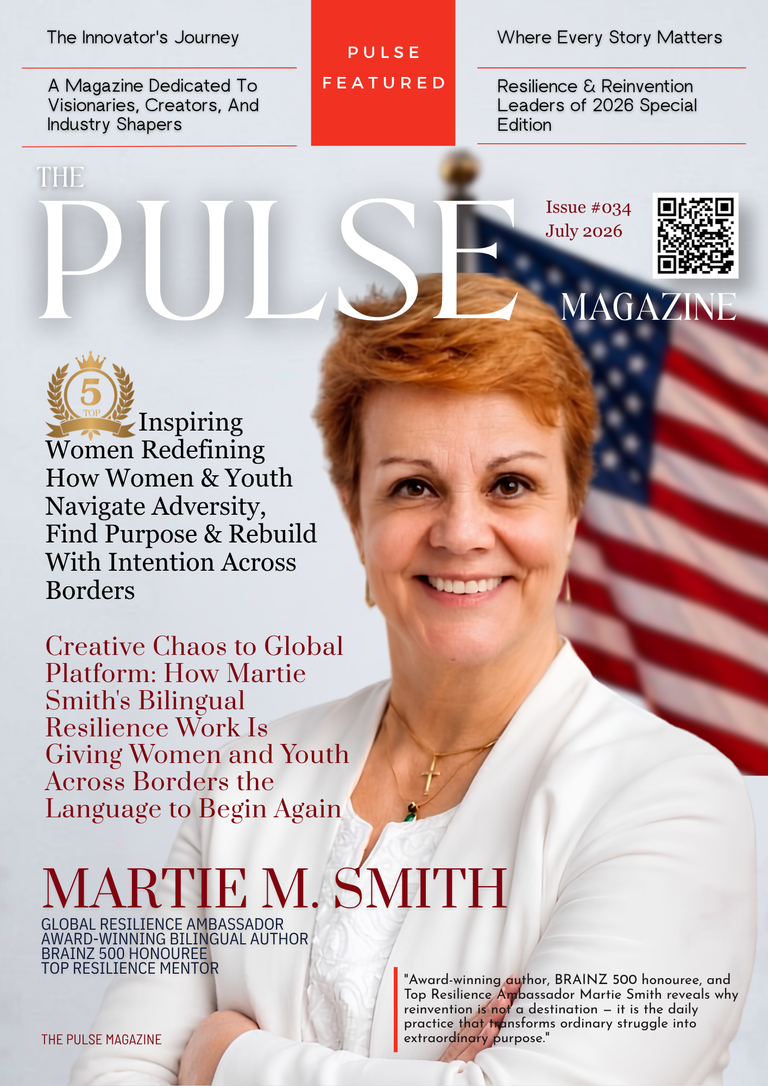
July 2026
Reinvention Is Not a Destination: How Martie M. Smith Turned a Lifetime of Change Into a Mission of Resilience
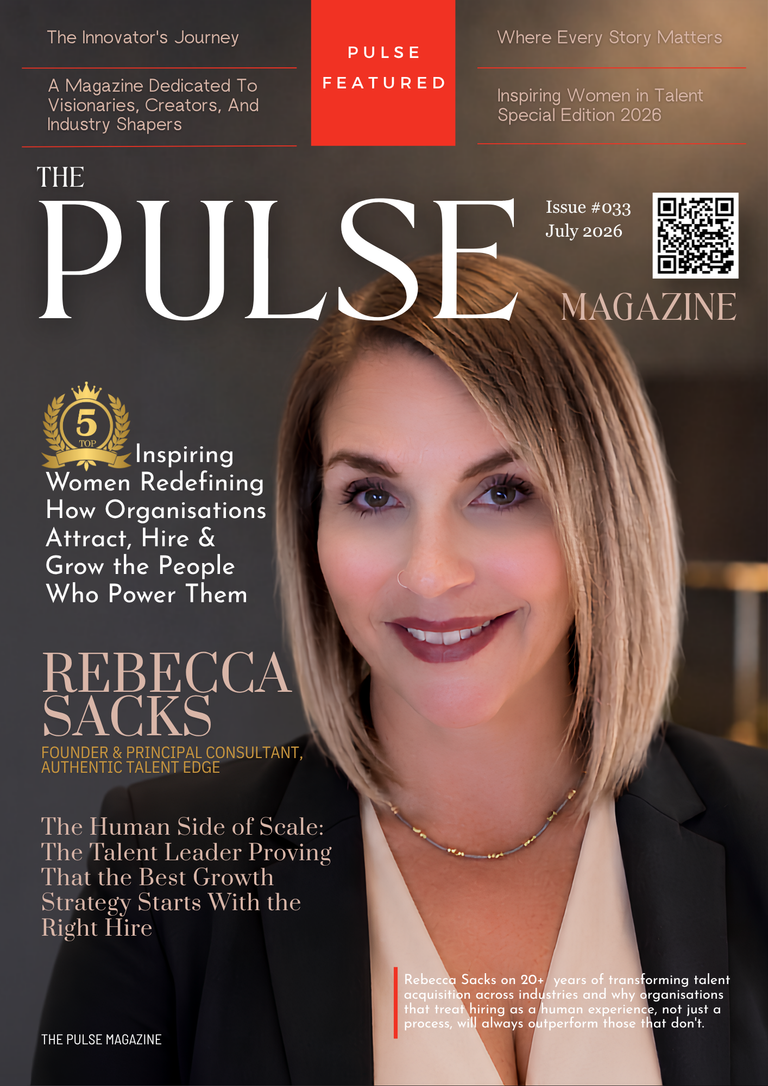
July 2026
How Rebecca Sacks Is Proving the Best Growth Strategy Starts With the Right Hire
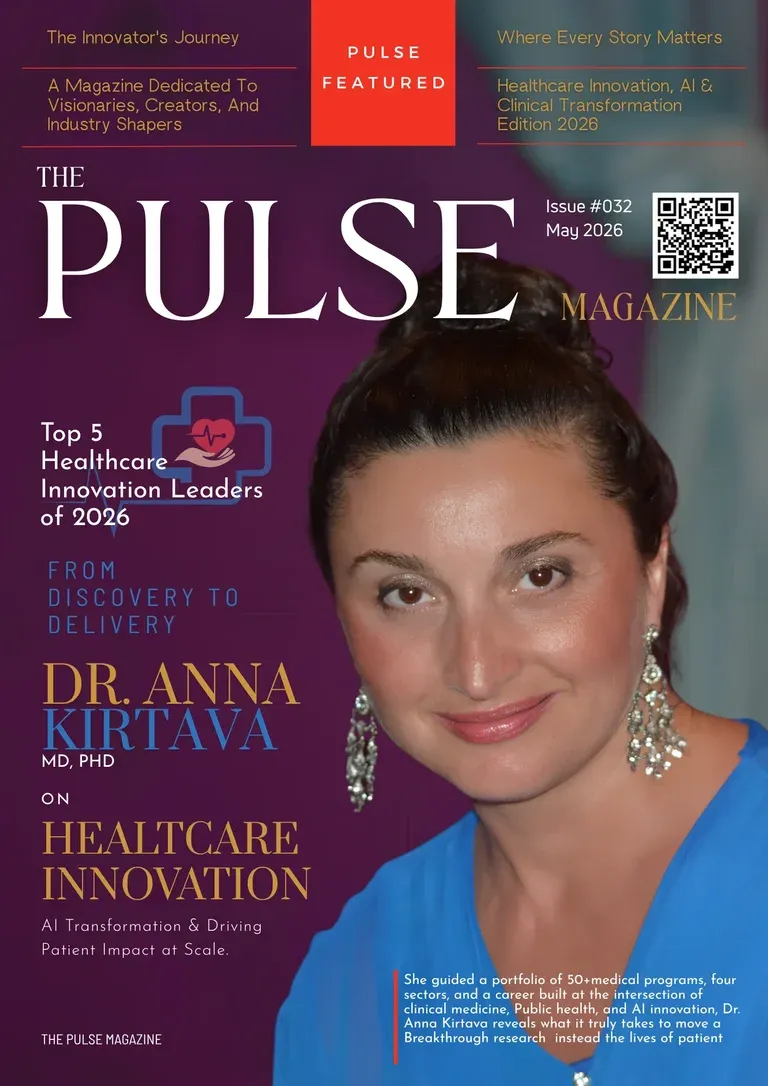
June 2026
Dr. Anna Kirtava MD Healthcare Innovation, AI Governance & Global Health Equity
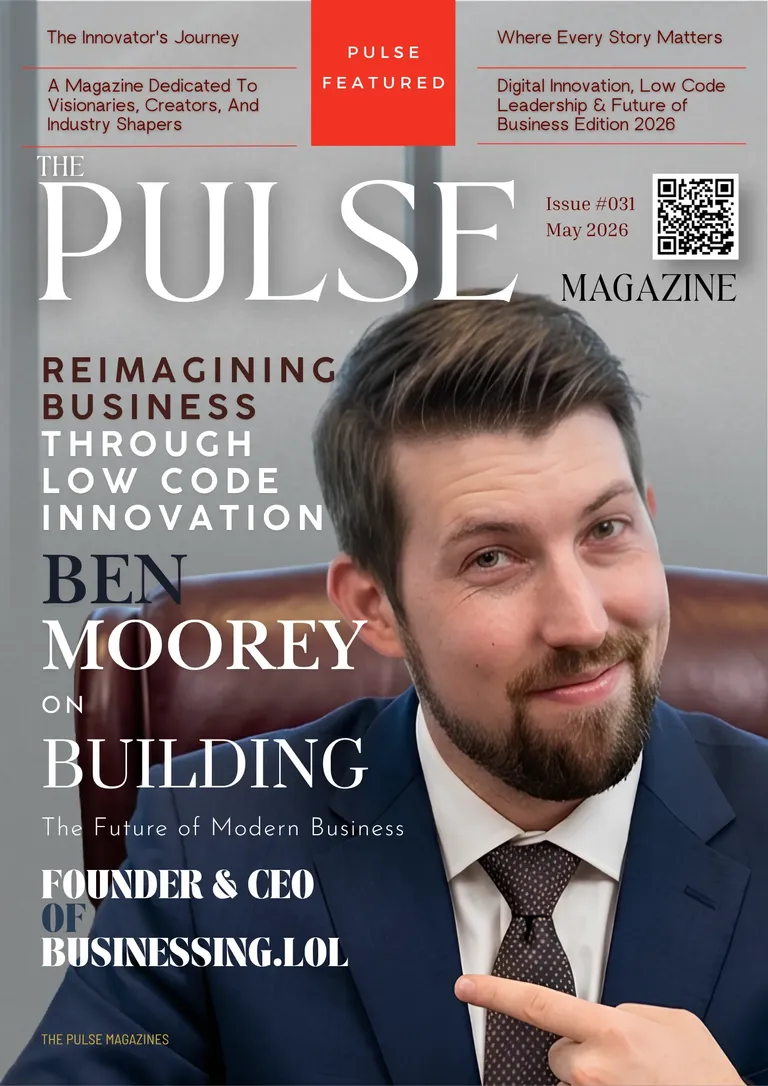
May 2026
Ben Moorey: Reimagining Business Through Low-Code Innovation | The Pulse Magazine
May 2026
Engineering Certainty: How Carl D. Hays III is Redefining AI for the Real World
May 2026