India and Pakistan Exchange Drone and Missile Strikes Amid Escalating Tensions
Tensions between India and Pakistan have dramatically escalated, with both nuclear-armed nations accusing each other of launching overnight drone and missile attacks. The latest confrontation follows Indian airstrikes in Pakistan that reportedly killed 31 people on Wednesday, marking one of the most serious military escalations in decades. India said the strikes were in retaliation for
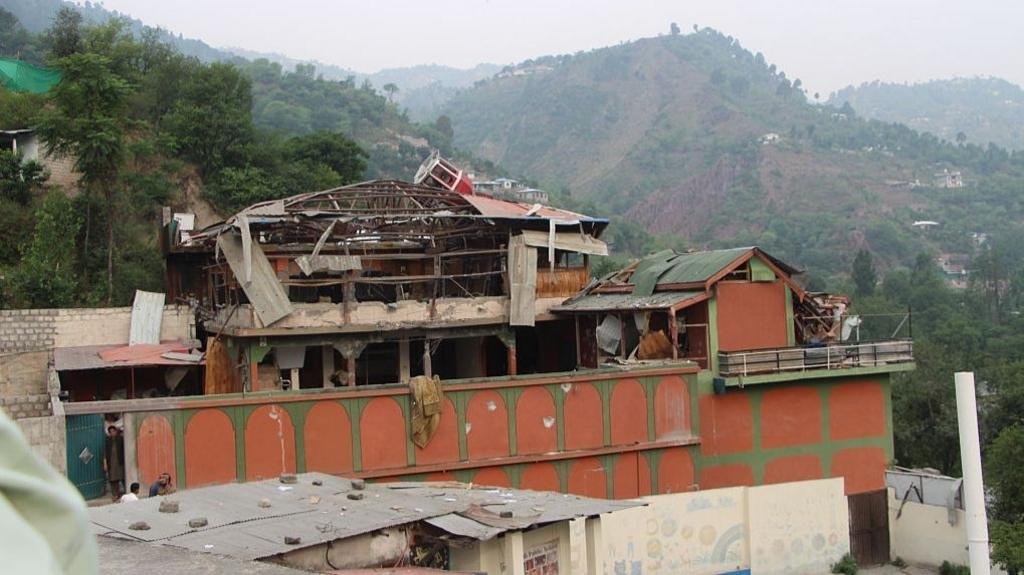
Tensions between India and Pakistan have dramatically escalated, with both nuclear-armed nations accusing each other of launching overnight drone and missile attacks. The latest confrontation follows Indian airstrikes in Pakistan that reportedly killed 31 people on Wednesday, marking one of the most serious military escalations in decades.
India said the strikes were in retaliation for a deadly militant attack in Indian-administered Kashmir last month, which left 26 people dead, including 25 Hindu tourists and their guide. New Delhi blamed Pakistan-based Islamist militant groups for the attack—allegations Islamabad has consistently denied.
In a press conference, Pakistan’s military spokesperson, General Ahmed Sharif Chaudhry, accused India of “yet another blatant act of aggression” after Indian drones reportedly targeted major cities, including Rawalpindi, home to Pakistan’s military headquarters. He claimed over a dozen Indian drones were shot down, while four Pakistani soldiers were injured in an aerial confrontation. One civilian was reportedly killed in Sindh’s Miano area.
Calling the drone incursions a “serious provocation,” General Chaudhry confirmed that Pakistan’s armed forces are on high alert and are actively neutralizing further threats. Debris from downed drones is being collected by military and police units.
Meanwhile, India alleged that Pakistan launched its own series of drone and missile attacks targeting military facilities in cities such as Amritsar, Srinagar, and Chandigarh. India’s defence ministry claimed all incoming attacks were successfully intercepted by its air defence systems.
The Indian military also said it had “neutralized” Pakistan’s air defence system near Lahore and issued a stern warning: “Any attack on military targets in India will invite a suitable response.”
India’s External Affairs Minister, Subrahmanyam Jaishankar, reinforced this stance during a meeting with a visiting Iranian delegation, warning, “If there are military attacks on us, there should be no doubt that it will be met with a very, very firm response.”
In response, a senior Pakistani security official denied India’s claims, stating: “The damage to Lahore’s defence system is minor, more like a scratch, and it remains operational.” He added that 25 Indian drones had been shot down across the Punjab and Sindh provinces, and emphasized that Pakistan had not yet retaliated offensively.
“We have not fired any missiles or launched drone attacks inside India or at Indian military installations,” the official said. “That’s misinformation from Indian authorities. However, our response is forthcoming.”
Following reports of drone explosions in Lahore, the US Consulate in Lahore instructed all personnel to shelter in place, citing potential airspace incursions.
Wednesday’s Indian airstrikes were the most widespread in decades, with nine locations hit—including four in Pakistan’s Punjab province. Pakistan’s Prime Minister Shehbaz Sharif vowed, “We will avenge each and every drop of blood of our martyrs.”
Both nations suspended flights and closed airports. In Pakistan, flights from Karachi, Lahore, and Sialkot were grounded until Thursday night. In India, over 20 local airports, particularly in the north, remain closed until Saturday.
A state of emergency was declared in Pakistan’s Sindh province, and all hospital staff were placed on standby. In India, security was heightened in border states Rajasthan and Punjab. Shoot-on-sight orders were issued for any suspicious activity near the border, and anti-drone systems were activated.
In Amritsar, just 20 miles from the Pakistani border, residents faced a second security drill and a temporary power blackout Wednesday night.
Though Pakistan has claimed it downed several Indian aircraft, including three French-made Rafale jets, its full military response remains pending. Any decision on retaliation is expected to come from Pakistan’s army chief, General Asim Munir, who is facing increasing domestic pressure to act decisively.
India insists that Wednesday’s strikes targeted “terrorist infrastructure,” including training camps and homes of individuals affiliated with long-accused terror organizations, while emphasizing that no Pakistani military bases or equipment were struck.
Pakistan denies these claims, stating that the strikes hit civilian areas with no militant presence.
On the contested Line of Control (LoC) in Kashmir, intense cross-border shelling has continued into a second night. At least one Indian soldier and 11 civilians have been reported killed, and evacuations are underway in affected border areas.
International diplomatic efforts are intensifying. Iran’s Foreign Minister Abbas Araghchi arrived in Delhi Thursday morning, offering mediation between the two nations. Saudi Arabia’s foreign minister also made an unscheduled visit to India, where he held talks with Indian officials.
Related Stories
Change of British High Commissioner to New Zealand
Ms Louise Cantillon has been appointed British High Commissioner to New Zealand and Governor of the Pitcairn, Henderson, Ducie and Oeno Islands.
Trump signs order to limit childhood vaccines and split MMR shots
The American Academy of Pediatrics calls the recommendation on measles, mumps and rubella shots "dangerous".

The Medical Industry Is Dying – And If It Continues, So Will We: Healthcare Crisis Exposed
Our health system needs first aid stat! The medical profession is in dire need of a shot in the arm. If Humpty Dumpty sat on a wall today and took a great fall, forget the king’s horses and men. Better slap on a Band-Aid and call it a day. Need a pill? Over the hill.