FDA Issues Warning on Topical Finasteride: Hair Loss Treatment Linked to Serious Side Effects
April 26, 2025 – The U.S. Food and Drug Administration (FDA) has issued a warning regarding topical finasteride, a popular hair loss treatment widely available through telehealth platforms like Hims & Hers and Ro. The agency cites multiple reports of adverse side effects, raising serious concerns about consumer safety and lack of awareness. Topical Finasteride
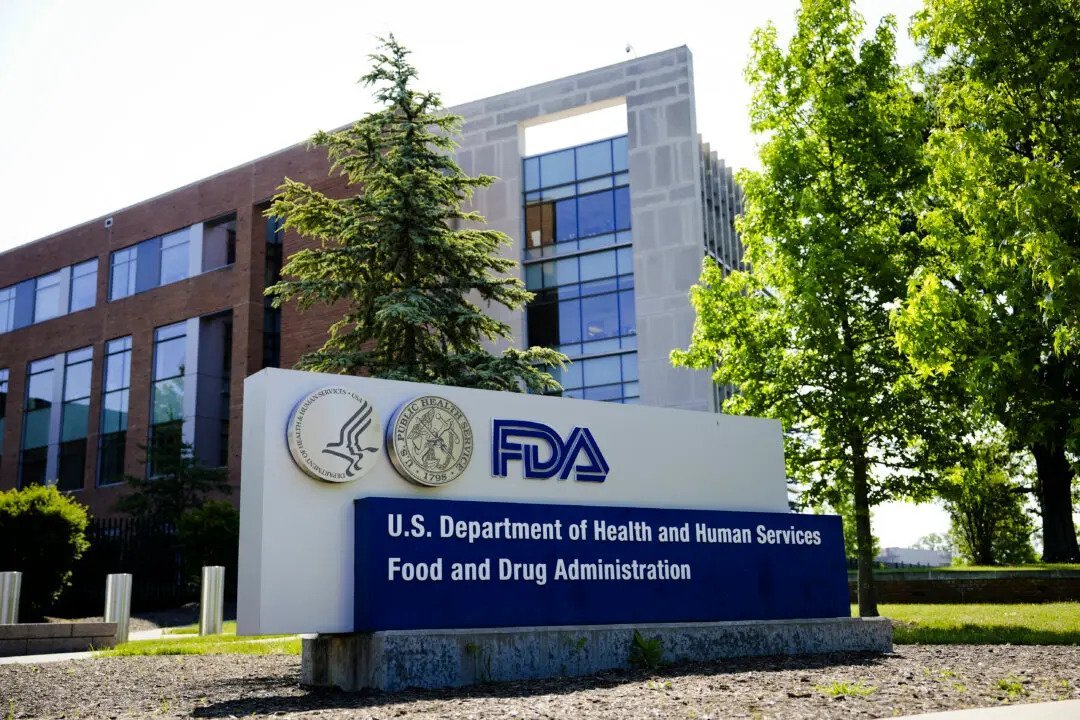
April 26, 2025 – The U.S. Food and Drug Administration (FDA) has issued a warning regarding topical finasteride, a popular hair loss treatment widely available through telehealth platforms like Hims & Hers and Ro. The agency cites multiple reports of adverse side effects, raising serious concerns about consumer safety and lack of awareness.
Topical Finasteride Linked to Depression, Dizziness, and Sexual Side Effects
According to an FDA safety alert issued April 22, at least 32 adverse events were reported between 2019 and 2024 from users of compounded topical finasteride, a formulation not approved by the FDA. Reported side effects mirror those of the oral version and include:
- Depression and anxiety
- Fatigue and dizziness
- Insomnia
- Decreased libido
- Erectile dysfunction
- Ejaculation disorders
Some users also reported long-term psychological and sexual dysfunction, commonly referred to as post-finasteride syndrome (PFS)—a controversial condition still debated among medical experts.
“Some consumers expressed they became very depressed, suffering with pain and their lives were ruined,” said the FDA.
FDA: No Approved Topical Version of Finasteride
While oral finasteride has been FDA-approved for decades to treat male pattern baldness and benign prostatic hyperplasia (BPH), no topical version of the drug has received FDA approval. However, compounded topical products are frequently marketed and sold online by telehealth companies.
These companies often promote the idea that topical formulations carry fewer risks, a claim now under scrutiny. According to the FDA, such messaging misleads consumers and creates a dangerous gap in patient education.
Experts Warn Against Misconceptions About Topical Safety
Dr. Anthony Oro, a professor of dermatology at Stanford Medicine, said the adverse effects are not surprising and are consistent with the oral version of the drug.
“People assume that topical means safer, but that’s not always true,” Oro told Healthline. “Just because it’s applied to the skin doesn’t mean it won’t be absorbed systemically.”
This misunderstanding is often reinforced by telehealth marketing, which downplays systemic absorption.
- Ro claims that topical finasteride “could come with a lower risk of systemic effects.”
- Hims describes side effects as “minimal” and “localized,” citing skin irritation or itching.
However, the FDA states that consumers were unaware of the real risks or were misled by such claims.
Compounded Finasteride Carries Additional Health Risks
In addition to systemic side effects, compounded topical finasteride can cause:
- Skin irritation
- Dryness or redness (erythema)
- Stinging or burning sensations
The FDA also warns about accidental transfer through skin contact, which may pose serious risks, particularly to pregnant women, due to finasteride’s potential to cause birth defects in male fetuses.
Growing Concerns Around Telehealth and Compounded Medications
The warning follows a March investigation by the Wall Street Journal, which documented troubling cases, including that of U.S. Army Sgt. Mark Millich, who reported anxiety, slurred speech, and genital shrinkage after using the drug.
The rise of telehealth platforms has made compounded medications more accessible, but experts warn this comes at a cost—patients often lack a proper medical relationship and informed consent.
“There’s a trend now where patients get access to medications without a long-term relationship with a provider,” Oro explained. “That gap can lead to serious consequences.”
What Consumers Should Know About Finasteride Use
- Oral finasteride is FDA-approved, but still carries known side effects.
- Topical finasteride is not FDA-approved, and the safety profile is not well established.
- Products combining finasteride with minoxidil (another FDA-approved hair loss treatment) may carry unknown risks, especially in compounded form.
The FDA encourages healthcare providers to educate patients about these risks and emphasizes that compounded medications are not reviewed or approved by the agency.
Related Stories

How Claire J. Gilchrist's Frequency Balance™ Method Is Redefining Mental Health and Self-Empowerment Coaching
In the silence of the 2020 lockdowns, when the world stopped and most careers were suspended, Claire J. Gilchrist went inward. In this exclusive Pulse Magazine feature, the Founder of The Self-Empowerment Hub reveals why she stopped treating mental health, communication, and leadership as separate problems — and the trademarked framework she built instead. She shares the 48 subconscious behavioural patterns behind Frequency Balance™, why she refuses to "fix" her clients on principle, and the ethical distinction that shapes everything she does.

Anti-Amyloid Alzheimer’s Drugs Face New Doubts: Cochrane Review Finds ‘Trivial’ Effects
A bombshell Cochrane review questions the effectiveness of anti-amyloid Alzheimer’s drugs like Leqembi and Kisunla, calling their benefits “absent or trivial” despite FDA approvals. Cochrane Analysis: Little to No Clinical Benefit The nonprofit Cochrane compiled data from 17 placebo-controlled studies on seven amyloid-beta-targeting monoclonal antibodies, involving over 20,000 people with mild cognitive impairment or mild Alzheimer’s dementia.

‘Universal’ Nasal-Spray Vaccine Shows Broad Protection in Mice Against Viruses, Bacteria and Allergens
A groundbreaking early-stage study suggests that a single nasal-spray vaccine could one day protect against multiple respiratory viruses, harmful bacteria, and even common allergens. In laboratory tests on mice, researchers found that an experimental vaccine triggered broad immune protection raising hopes for what scientists describe as a potential “universal” respiratory vaccine. However, experts caution that