
Now Reading: From Idea to Industry Disruptor: The Inspiring Journey of a Startup in Just Five Years
-
01
From Idea to Industry Disruptor: The Inspiring Journey of a Startup in Just Five Years
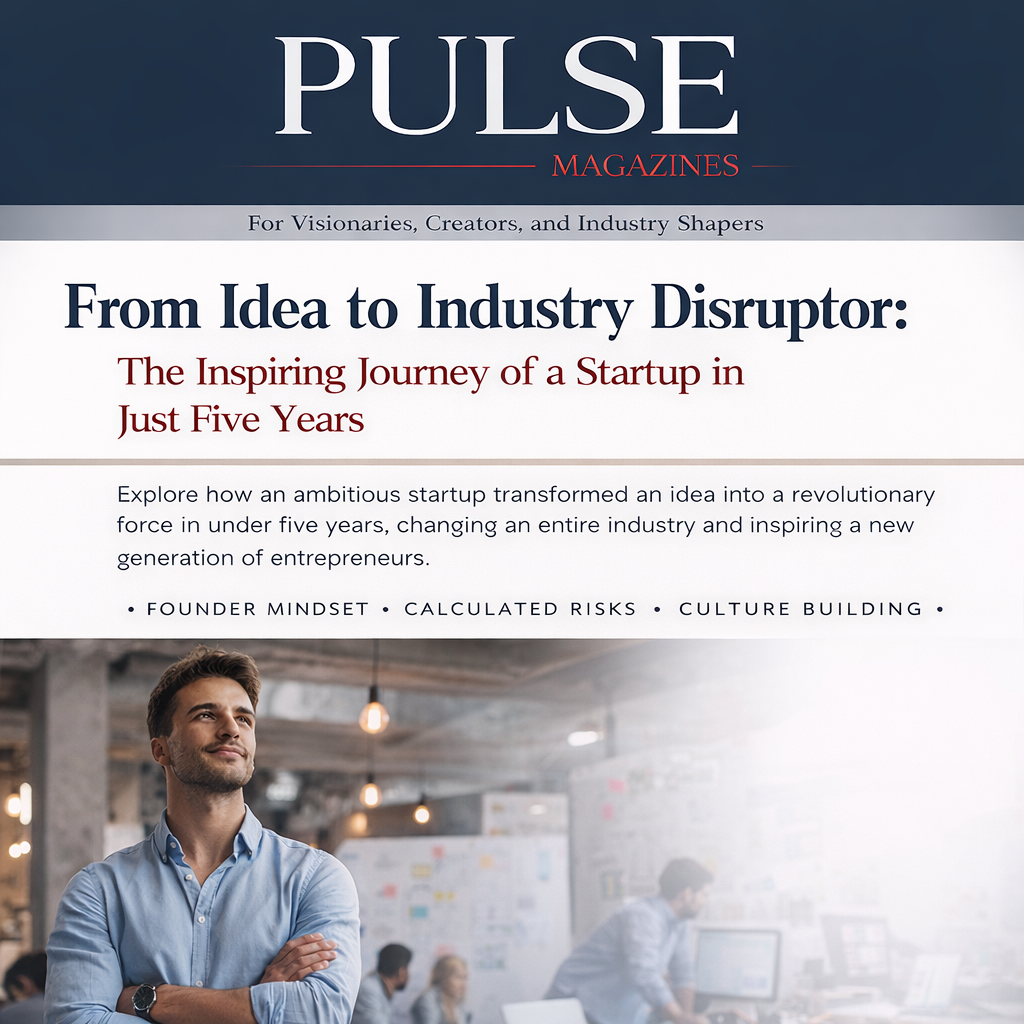
From Idea to Industry Disruptor: The Inspiring Journey of a Startup in Just Five Years

Introduction: The Rise of a Startup
In recent years, the landscape of entrepreneurship has witnessed the remarkable emergence of startups that have revolutionized entire industries within remarkably short timeframes. Among these transformative entities is a startup that has embarked on an extraordinary journey, evolving from a mere idea to an industry disruptor in just five years. This startup not only exemplifies the potential for innovation but also highlights the rapid evolution of a sector primed for disruption.
Founded by a group of ambitious entrepreneurs, this startup emerged in response to a glaring gap in the market a need for improved solutions that fulfill specific consumer demands. The industry it operates in, characterized by traditional players resistant to change, offered a fertile ground for innovative ideas. As shifts in technology and consumer behavior continue to reshape market expectations, this startup seized the opportunity to carve a niche, positioning itself strategically within the competitive landscape.
The significance of its swift ascent cannot be overstated. Over the five years of its existence, the startup has not only transformed its own business but has also influenced broader industry dynamics. It has introduced novel approaches and technologies that challenge long-standing norms, pushing established companies to reconsider their strategies. The journey from conception to market leader is replete with lessons in agility, resilience, and the importance of understanding customer needs. As we delve deeper into the key factors that facilitated this startup’s meteoric rise, we will explore the strategic decisions made, the challenges faced, and the vision that guided its path forward.
The Founder’s Vision: Mindset and Motivation

The journey of a startup often begins not just with a promising idea, but with a founder whose vision and mindset create the foundation for success. The founder’s background plays a crucial role in shaping their entrepreneurial approach. Many successful entrepreneurs come from diverse backgrounds, facing unique challenges and opportunities, which shape their perspectives and fuel their motivations. This dynamic background often instills resilience and adaptability qualities essential for navigating the turbulent waters of startup growth.
A strong vision acts as a guiding star for any entrepreneurial venture. From the inception, the founder envisioned a company that would not only disrupt existing markets but also provide meaningful solutions to specific problems. This clarity of purpose is instrumental in driving the company forward, influencing strategic decisions, and inspiring the team. The founder’s ability to articulate this vision emphasizes the importance of alignment among team members. When everyone shares a common goal, they are more likely to collaborate effectively and cultivate a culture of innovation.
Furthermore, personal motivations often intertwine with business objectives. For many founders, the desire to make a difference or address a particular issue catalyzes their startup journey. This intrinsic motivation fuels perseverance during challenging times and can be infectious, encouraging others to rally around the vision. In this light, the founder’s passion becomes a vital asset that not only pushes the company towards its goals but also helps maintain morale, especially when setbacks occur.
In essence, the mindset and motivation of a founder are pivotal to a startup’s identity. A clear vision, driven by personal passion and resilience, creates an environment conducive to innovation and collaboration, setting the stage for eventual success.
Navigating Risks: The Startup’s Approach to Risk Tolerance
In the startup landscape, navigating risk is essential for growth and innovation. The founders of the startup recognized early on that embracing risk, rather than avoiding it, could pave the way for significant advancements. This proactive approach was part of their DNA from inception, and it allowed them to capitalize on opportunities that others might have ignored.
Calculated risk-taking became a cornerstone of their strategy. The founder emphasized the importance of weighing potential rewards against the possible downsides. This delicate balance required a comprehensive understanding of the market and a preparedness to pivot when necessary. By fostering a culture that encouraged experimentation, the startup not only nurtured creativity but also built resilience within its team, allowing them to learn from missteps and iterate on their ideas.
The lessons learned from early failures proved invaluable. Each setback served as a teaching moment, honing the startup’s risk management processes. By documenting failures and analyzing their root causes, the founders developed a robust framework for future decision-making. Their experiences highlighted the significance of maintaining an adaptable mindset one that recognizes that risks often accompany the pursuit of innovation. The acceptance of this reality became fundamental to the startup’s philosophy.
Additionally, the founders understood that a balanced risk appetite attracts a diverse range of stakeholders, including investors and talent, both eager to align with a company willing to challenge the status quo. This open dialogue about risk has created a supportive environment where team members feel empowered to voice their ideas without fear of judgement. This entrepreneurial culture not only drives motivation but also fosters continuous improvement, enabling the startup to stay ahead of trends and disruptions in the industry.
Ultimately, the effective approach to risk management has defined the startup’s trajectory, proving that with the right mindset and strategies, calculated risks can lead to substantial value creation and industry disruption.
Systems Thinking: Building a Cohesive Business Model

In the competitive landscape of startups, systems thinking emerges as a pivotal approach for integrating various components of a business. The journey of the startup under discussion exemplifies how the founder employed this methodology to create a cohesive business model. By viewing the organization as an interconnected system, the team was able to identify and understand the interdependencies between different functions such as production, marketing, and customer service.
This holistic view allowed the founders to map out how each element of the business impacted the others. For instance, by recognizing how supply chain efficiency directly influences customer satisfaction, the team prioritized investments in logistics, ensuring that products reached consumers promptly. Such insights fostered a culture of efficiency and innovation, ultimately fueling growth.
Moreover, the startup capitalized on feedback loops within the market and the organization. By actively soliciting customer feedback and incorporating it into design and development, the team adapted their offerings to meet evolving demands. This responsiveness not only strengthened customer relationships but also informed strategic decision-making, reinforcing the interdependent nature of the startup’s operations.
Additionally, systems thinking enabled the team to anticipate challenges by analyzing potential disruptions in their ecosystem. For example, understanding how external economic factors could affect supplier pricing helped the startup devise contingency plans, ensuring continued service delivery despite market fluctuations. This proactive approach mitigated risks and equipped the organization to thrive amidst uncertainties.
Ultimately, systems thinking was instrumental in the startup’s evolution, allowing the founders to craft a resilient business model. By acknowledging the complexities and interconnections within their enterprise and the broader market, they laid a strong foundation for sustainable growth and innovation.
Culture Building: Fostering an Innovative Environment
In today’s competitive landscape, the success of startups hinges not only on innovative products or services but also on the internal culture that supports and drives these innovations. Fostering an innovative environment is crucial for cultivating a high-performing team that is engaged, motivated, and aligned with the startup’s vision. The founder of this dynamic startup recognized early on that culture would serve as the cornerstone for their growth over the five years of evolution.
One of the primary initiatives implemented was the establishment of open communication channels. By maintaining transparency in decision-making processes, the founder encouraged employees to voice their ideas and opinions. This practice not only promoted collaboration but also nurtured an atmosphere where all team members felt valued and empowered to contribute to the startup’s objectives. Regular town hall meetings and feedback sessions became the norm, enabling dynamic exchanges that sparked creativity and innovation.
Moreover, the startup placed a significant emphasis on professional development and continuous learning. Providing employees with opportunities for upskilling, attending workshops, and participating in mentorship programs helped build resilience within the workforce. Employees were incentivized to explore and experiment, turning failures into learning experiences. Such initiatives contributed to a culture of adaptability, essential for a startup navigating the fast-paced tech landscape.
Having a talent-centric approach was also instrumental in attracting and retaining skilled professionals. The company adopted flexible work policies, valuing work-life balance and promoting diversity within the team. By implementing recognition programs that highlighted contributions, the founder fostered a sense of camaraderie and shared purpose among team members. The holistic approach to culture building not only cultivated innovation but also positioned the startup as an attractive employer in a saturated market.
Learning from Setbacks: The Evolution of Strategies
The trajectory of a startup is typically fraught with challenges and setbacks, which serve as crucial catalysts for growth and transformation. In the early stages of development, the startup faced several hurdles that tested its resilience and adaptability. These obstacles ranged from funding shortages to market misinterpretations, pushing the founders to reassess their strategic approach continuously.
One significant moment came during a product launch that did not meet market expectations. Initial feedback was largely negative, pinpointing issues related to user experience and functionality. Rather than viewing this situation as a failure, the team chose to adopt a learning mindset. They engaged customers directly through surveys and focus groups, seeking to understand the specific pain points that had eluded them previously. This proactive engagement not only illuminated the necessary improvements but also fostered a robust relationship with their target market.
In response to this invaluable feedback, the strategy pivoted dramatically. The startup embraced an iterative design process, allowing rapid prototyping and frequent testing of new features. Through this adaptive framework, the company learned to respond promptly to customer needs while also aligning its product development with market trends. This strategic evolution not only enhanced their offerings but also marked a cultural shift within the organization towards continuous improvement and learning.
Another turning point involved a competitor unexpectedly launching a similar product, threatening to dilute the startup’s market share. Rather than succumbing to panic, the team embarked on a SWOT analysis to evaluate their strengths, weaknesses, opportunities, and threats. This strategic tool facilitated a clear understanding of their unique value proposition and ultimately informed a new marketing strategy that emphasized their product’s distinctive features.
Through these setbacks and learned strategies, the startup cultivated resilience and innovation, critical elements in their path to becoming an industry disruptor. Embracing challenges as opportunities for learning and evolution has proven vital in shaping their enduring success in a competitive marketplace.
Disrupting an Industry: Key Milestones and Achievements
The journey of a startup from conception to becoming an industry disruptor is often marked by a series of significant milestones that pave the way for remarkable achievements. Over the last five years, this startup has accomplished several pivotal tasks that have not only transformed its own trajectory but also reshaped the industry landscape. One of the earliest and most crucial milestones was the launch of its flagship product, which introduced innovative features that addressed long-standing pain points in the market. This product release quickly garnered attention, setting the stage for future growth and establishing the startup’s reputation as an innovator.
As the startup gained traction, it strategically expanded its market presence by entering new regions and diversifying its customer base. This market expansion, bolstered by comprehensive consumer research and targeted marketing campaigns, helped solidify its standing within the industry. The startup’s ability to adapt to new market demands and regional preferences reflects a keen understanding of customer needs, which is vital for sustained success.
Furthermore, forming partnerships with established companies has been instrumental in amplifying the startup’s reach and resources. Collaborations with key players in the industry have enabled shared expertise, access to larger distribution networks, and enhanced product development capacities. These partnerships not only contributed to accelerated growth but also provided a platform for cross-industry innovation, challenging traditional players and fostering a culture of competitiveness.
Through these milestones product launches, market expansions, and strategic partnerships—the startup has emerged as a true disruptor. Its achievements have set new benchmarks in the industry, demonstrating how agility, innovation, and collaboration can yield transformative results. As other companies observe this journey, the potential for disruption continues to inspire and drive forward-thinking initiatives across various sectors.
Lessons for Future Entrepreneurs: Insights and Takeaways
The journey of a startup from its conceptual phase to becoming an industry disruptor offers a wealth of insights for aspiring entrepreneurs. A key lesson is the importance of cultivating a growth mindset. Entrepreneurs should embrace failures as learning opportunities rather than obstacles. Adopting this perspective not only enhances resilience but also fosters an environment that encourages innovation and experimentation. Passion must be paired with adaptability; being receptive to feedback and evolving based on market demands is crucial for sustained success.
Effective risk management is another vital element. Future entrepreneurs should develop a comprehensive understanding of the risks involved in their business ventures, simultaneously creating strategies to mitigate these risks. This involves not only financial assessments but also the operational and market-related uncertainties that can arise. By preparing for potential pitfalls, entrepreneurs can ensure a more stable journey towards their goals.
Moreover, employing systems thinking can greatly benefit startups. This approach encourages viewing the business as an interconnected system rather than isolated parts. Recognizing how different functions interrelate can lead to improved efficiency and better decision-making processes. Fostering a culture that prioritizes collaboration and communication will also enhance overall performance.
Building a cohesive company culture is essential in the initial stages of a startup’s development. Entrepreneurs should define the core values and mission that will guide their organization. A strong culture aligns team members with the company’s vision, enhances motivation, and attracts top talent. Motivated employees lead to higher productivity and innovation, which are pivotal for an emerging business.
By integrating these insights into their entrepreneurial endeavors, potential founders can navigate the complexities of building a startup more effectively. Striving for an adaptive mindset, implementing robust risk management practices, utilizing systems thinking, and cultivating a strong organizational culture are foundational elements for sustained growth and disruption in any industry.
Conclusion: What Lies Ahead for the Startup and Industry

The journey of a startup from a mere idea to an industry disruptor within a span of five years is not only remarkable but also laden with implications for the sector at large. As this startup continues to evolve, it prepares to navigate an array of challenges and seize opportunities that will emerge in a rapidly evolving market landscape. The critical question of sustainability remains at the forefront; the startup must ensure that it maintains its innovative edge while competing against established players and other new entrants.
Looking forward, potential challenges that the startup may face include increased competition, shifts in consumer demand, and regulatory hurdles. The tech landscape is increasingly dynamic, with technological advancements and market trends altering the parameters of success. Therefore, vigilance is essential. However, this landscape also presents numerous opportunities. For instance, as industries increasingly lean towards digital solutions and sustainable practices, the startup is strategically positioned to leverage its innovative capabilities to cater to these demands.
Moreover, the startup’s success can serve as a beacon for other entrepreneurs, illustrating the tangible benefits of innovation and calculated risks in entrepreneurship. This journey reinforces the notion that with passion, strategic planning, and the ability to adapt, startups can not only survive but thrive, challenging the status quo and reshaping industries.
In conclusion, both the startup and its industry stand on the cusp of tremendous potential. The evolution of the startup ecosystem underscores the necessity of resilience and adaptability. As this startup forges ahead, its story will inspire, reminding all that innovation is a powerful catalyst for change that can create profound impacts on society and the economy alike.
Related Posts



Previous Post
Next Post


























Pingback: Leading with Impact: The Philosophy Behind Effective Leadership
Pingback: How to Become an Entrepreneur – 8 Proven Steps to Start a Business