Now Reading: Can Google Disrupt Nvidia’s AI Dominance? TorchTPU May Be the Game Changer
-
01
Can Google Disrupt Nvidia’s AI Dominance? TorchTPU May Be the Game Changer

Can Google Disrupt Nvidia’s AI Dominance? TorchTPU May Be the Game Changer

For years, NVIDIA has dominated the artificial intelligence hardware market, not just because of powerful GPUs, but due to its CUDA software ecosystem, which tightly binds developers to Nvidia chips. Now, Google may have found a way to challenge that dominance through a quiet but potentially disruptive initiative known as TorchTPU.
What Is TorchTPU?
Google has launched an internal project called TorchTPU, designed to make its Tensor Processing Units (TPUs) fully compatible with PyTorch, the most widely used AI framework in the world.
Until now, Google’s TPUs were primarily optimized for JAX, Google’s in-house machine learning platform. While powerful, JAX never reached the same developer adoption as PyTorch, which owes much of its success to Nvidia’s CUDA platform.
By aligning TPUs with PyTorch, Google aims to lower the switching costs for developers and enterprises that currently rely on Nvidia hardware.
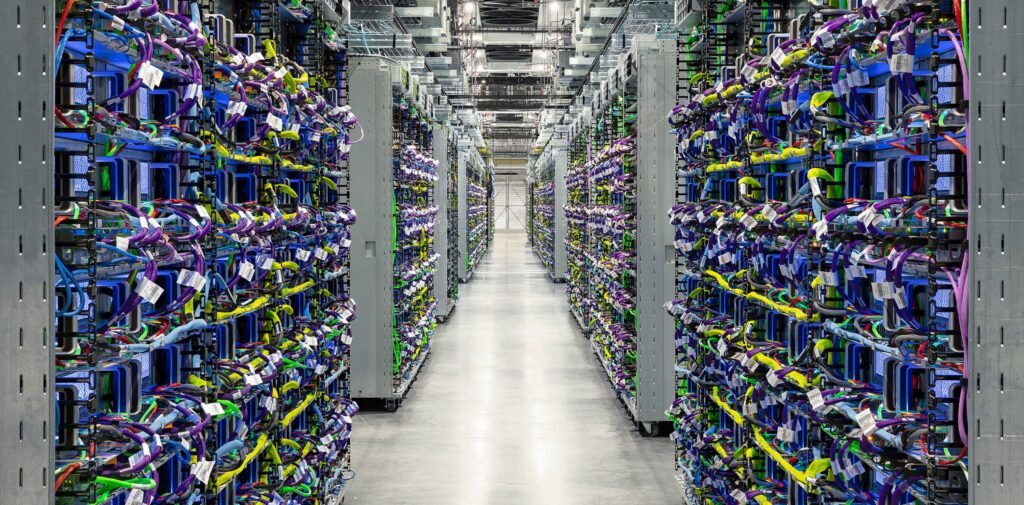
Why Nvidia Has Been So Hard to Beat
Nvidia’s real competitive advantage lies in CUDA, a proprietary software platform that works exclusively with Nvidia GPUs. This has created a powerful lock-in effect:
- Developers build on CUDA
- Frameworks optimize for CUDA
- Enterprises buy Nvidia hardware
As a result, even competitors with strong hardware have struggled to gain market share due to software incompatibility.
Google and Meta: A Strategic Alliance
To accelerate TorchTPU, Google has partnered with Meta, the organization behind PyTorch. The collaboration is significant, as Meta itself has become heavily dependent on Nvidia GPUs and is actively seeking cost-effective alternatives.
This alliance signals a shared industry interest in breaking CUDA’s monopoly and building a more open AI ecosystem.
TPUs Go Commercial
Since 2022, Google has made its TPUs available to external customers, transforming them from an internal tool into a commercial AI product. This move has already turned TPUs into a meaningful revenue stream and attracted AI-focused companies such as Anthropic.
By offering TPUs as a cloud-based alternative, Google is giving enterprises more flexibility and pricing options in how they deploy AI workloads.
A Broader Push Against CUDA
Google is not alone in this effort. Companies across the globe including Huawei and several Chinese chipmakers are racing to build CUDA alternatives that combine competitive hardware with accessible software.
This collective push underscores a crucial reality in AI: hardware alone is not enough. Long-term success depends on a tightly integrated hardware–software stack.
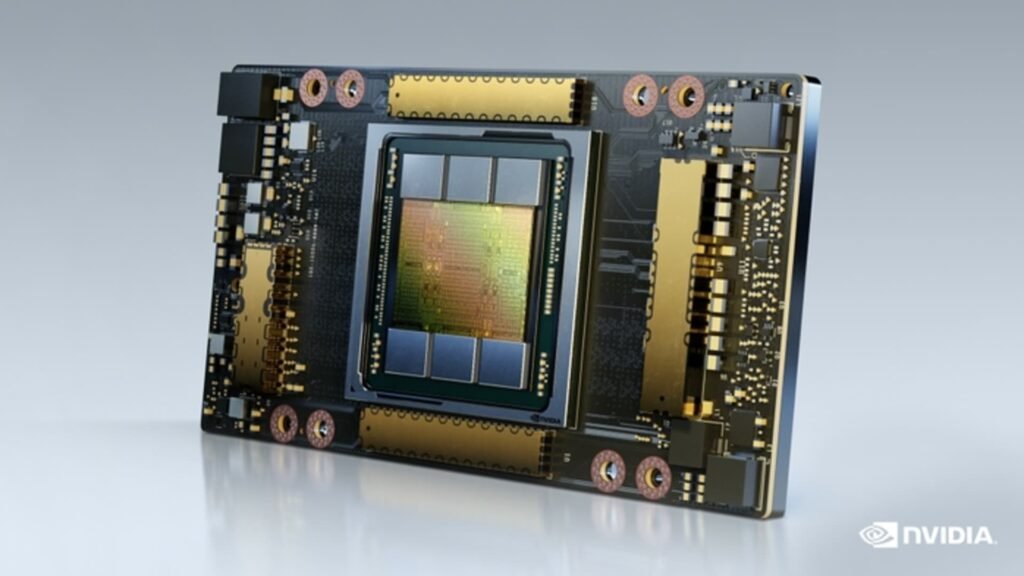
Can Nvidia Really Fall?
While Nvidia still holds a commanding lead, TorchTPU represents a meaningful threat. If Google succeeds in making TPUs first-class citizens in the PyTorch ecosystem, Nvidia’s lock-in advantage could weaken especially among cloud providers and cost-sensitive AI firms.
The AI race is no longer just about faster chips. It’s about who controls the platform developers build on and that battle is only beginning.
Previous Post
Next Post