9 High-Protein Fruits to Help Boost Your Daily Intake Naturally
Looking to increase your protein intake with more whole, nutritious foods? While fruits aren’t typically known for their protein content, some options offer more of this macronutrient than you might think. According to registered dietitians, pairing protein-rich fruits with other high-protein foods is a smart way to “protein stack” your meals and snacks. These fruits
Looking to increase your protein intake with more whole, nutritious foods? While fruits aren’t typically known for their protein content, some options offer more of this macronutrient than you might think.
According to registered dietitians, pairing protein-rich fruits with other high-protein foods is a smart way to “protein stack” your meals and snacks. These fruits not only deliver small amounts of protein but also offer fiber, vitamins, minerals, and antioxidants that support your overall health.
Here are 9 fruits with the most protein to help you round out your daily diet.
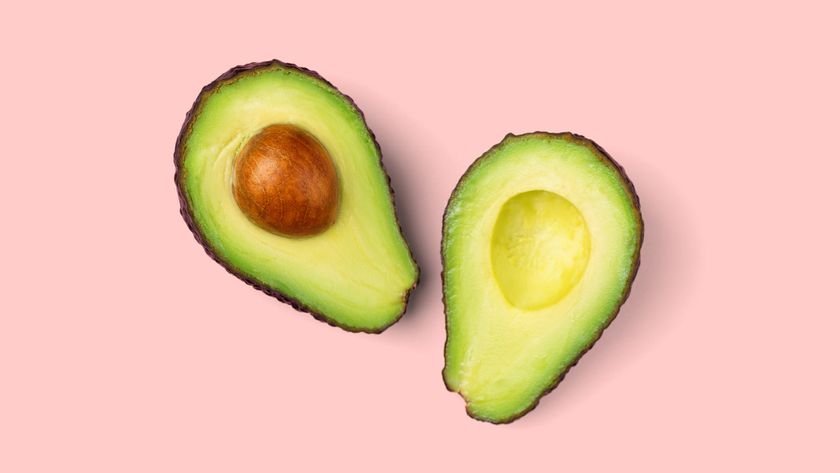
- Avocado – 3g Protein per Cup (Sliced)
Yes, avocado is a fruit — and a surprisingly good source of protein among fruits. One cup offers 3 grams of protein along with heart-healthy fats that promote satiety.
- High in fiber and healthy monounsaturated fats
- Great in guacamole, salads, smoothies, or on toast
- Calorie-dense: ~234 calories per cup
📝 Pro tip: Mash avocado as a protein-boosting dip or sandwich spread.
- Passion Fruit – 5.2g Protein per Cup
This tropical fruit is not only rich in protein but also incredibly high in dietary fiber — 24.5g per cup!
- Supports digestive health and satiety
- Packed with antioxidants and immune-boosting nutrients
- Great for smoothies, yogurt bowls, or desserts
💡 Note: 5g of protein is impressive for fruit, making passion fruit one of the best plant-based options.
- Guava – 4.2g Protein per Cup
Guava tops the list as one of the highest-protein fruits. A cup contains over 4 grams of protein and around 9 grams of fiber.
- Excellent for heart and gut health
- Rich in vitamin C and antioxidants
- Can be eaten fresh or added to juices and fruit bowls
🍽 Fun fact: Guava has more vitamin C than oranges!
- Blackberries – 2g Protein per Cup
Among berries, blackberries have the most protein. One cup delivers 2 grams along with a dose of anthocyanins, which promote gut health.
- Low in calories but nutrient-rich
- Great in oatmeal, smoothies, or healthy desserts
- Supports immune and digestive function
🥣 Snack idea: Mix blackberries into Greek yogurt for a balanced snack.
- Jackfruit – 2.8g Protein per Cup (Sliced)
Jackfruit is a popular plant-based meat alternative thanks to its texture. It’s also one of the more protein-rich fruits.
- Mild flavor makes it great for savory dishes
- Often used in vegan tacos, sandwiches, and stir-fries
- Available fresh, canned, or pre-packaged
🌱 Note: Not a complete meat replacement — pair with legumes or grains for more protein.
- Pomegranate – 2.9g Protein per Cup
Pomegranate arils are packed with antioxidants and anti-inflammatory compounds, along with nearly 3g of protein.
- Also provides 7g of fiber per cup
- Supports heart health and cholesterol balance
- Available fresh, frozen, or pre-packaged
🍇 Tip: Sprinkle arils on salads, yogurt, or oatmeal for crunch and nutrition.
- Apricot – 2.2g Protein per Cup (Fresh or Dried)
Fresh or dried, apricots are sweet, tart, and protein-packed compared to other fruits.
- Fresh apricots are light and juicy
- Dried apricots are calorie-dense — watch portions
- Contains vitamin A, iron, and fiber
🧺 On-the-go snack: Dried apricots and nuts make a protein-boosting trail mix.
- Banana – 1.5g Protein per Large Banana
Bananas are popular for energy and convenience, and they contain a decent amount of protein along with fiber and potassium.
- Rich in vitamins B and C
- Supports energy, muscle function, and hydration
- Ideal for smoothies, baking, or quick snacking
🍌 Pro tip: Freeze and blend for a creamy, protein-boosted “nice cream.”
- Kiwi – 1.9g Protein per Cup
Kiwi is an underrated fruit with nearly 2g of protein per cup and plenty of digestive health benefits.
- High in fiber and vitamin C
- Promotes bowel regularity and digestion
- Adds tart flavor to fruit salads, salsas, or desserts
🥝 Bonus: Kiwi skin is edible and adds even more fiber!
✅ Key Takeaway
While fruit isn’t a high-protein food, certain varieties like guava, passion fruit, avocado, and pomegranate offer more protein than you’d expect. Adding these to your meals helps you “protein stack” your intake while gaining valuable fiber, antioxidants, and nutrients that support whole-body wellness.
Related Stories

How Claire J. Gilchrist's Frequency Balance™ Method Is Redefining Mental Health and Self-Empowerment Coaching
In the silence of the 2020 lockdowns, when the world stopped and most careers were suspended, Claire J. Gilchrist went inward. In this exclusive Pulse Magazine feature, the Founder of The Self-Empowerment Hub reveals why she stopped treating mental health, communication, and leadership as separate problems — and the trademarked framework she built instead. She shares the 48 subconscious behavioural patterns behind Frequency Balance™, why she refuses to "fix" her clients on principle, and the ethical distinction that shapes everything she does.

Anti-Amyloid Alzheimer’s Drugs Face New Doubts: Cochrane Review Finds ‘Trivial’ Effects
A bombshell Cochrane review questions the effectiveness of anti-amyloid Alzheimer’s drugs like Leqembi and Kisunla, calling their benefits “absent or trivial” despite FDA approvals. Cochrane Analysis: Little to No Clinical Benefit The nonprofit Cochrane compiled data from 17 placebo-controlled studies on seven amyloid-beta-targeting monoclonal antibodies, involving over 20,000 people with mild cognitive impairment or mild Alzheimer’s dementia.

‘Universal’ Nasal-Spray Vaccine Shows Broad Protection in Mice Against Viruses, Bacteria and Allergens
A groundbreaking early-stage study suggests that a single nasal-spray vaccine could one day protect against multiple respiratory viruses, harmful bacteria, and even common allergens. In laboratory tests on mice, researchers found that an experimental vaccine triggered broad immune protection raising hopes for what scientists describe as a potential “universal” respiratory vaccine. However, experts caution that